Thinking about living in Japan, but unsure where the paperwork, housing and daily life really start? You can manage it step by step: sort your visa, register your address, join health insurance, then choose a place.
| Item | Value |
|---|---|
| Foreign residents in Japan, end of 2025 | 4,125,395 people |
| Year-on-year growth in foreign residents | 9.5% |
| Permanent residents (largest status group) | 947,125 people |
| Typhoons approaching Japan in an average year | 11.4 |
| Typhoons making landfall in an average year | 2.7 |
Figures come from Nippon.com’s report on Immigration Services Agency data and a Journal of the Meteorological Society of Japan study. They can change, so check the source before you rely on them.
What living in Japan looks like for newcomers
Japan is a country of big contrasts. A dense city such as Tokyo or Osaka offers trains that run to the minute, convenience stores on every corner and English signage in many stations. A mountain village a few hours away may have a single shop, a community bus with a handful of runs and neighbours who expect you to join the local clean-up mornings.
Both are real Japan, and both are open to foreign residents. What differs is how much Japanese you need, how much you rely on a car, and how much you must handle yourself.
Newcomers are a growing group. Immigration Services Agency figures, as reported by Nippon.com, counted a growing foreign resident population in Japan, with permanent residents the most common status.
Treat this page as general education only. It is independent of any agency or company and is no substitute for advice from immigration offices, your municipality or a qualified professional.
- Before you move: the right visa status, a plan for money and a realistic view of where you want to live.
- In the first weeks: residence card, address registration, health insurance and a bank account.
- In the first year: language, local rules, housing choices and getting ready for natural hazards.
Visas and your right to stay
Everything else depends on your residence status. Japan does not have a single “move here” visa. Instead, you hold a status tied to what you do: working, studying, joining family, running a business, or living as a long-term or permanent resident.
The status you hold decides whether you may work, for whom, and how long you may stay before renewing. Changing employer or job type can mean notifying immigration or applying for a change of status.
If you want a longer horizon, read the overview of japan long term visa options. It covers the main paths and the questions to ask before you commit.
Some practical habits help whichever status you have:
- Note the expiry date of your status and set a reminder well before it, because renewals take time.
- Keep copies of contracts, pay slips and tax records, since immigration may ask for them at renewal.
- Check with the Immigration Services Agency or a licensed administrative scrivener if your situation is unusual. Rules change, and individual cases need individual advice.
First-weeks paperwork: residence card, address and insurance
Most newcomers get a residence card when they enter on a medium or long-term status.
The key deadline is the address. According to a University of Osaka guide, failure to register your new address within 14 days of fixing your place of residence may result in a fine of up to 200,000 yen. The same guide notes that failure to register an address within 90 days of entry without a valid reason may lead to revocation of resident status. Read the guide on the University of Osaka city office procedures page, which also describes the moving-in notification you file when you change address later.
The steps are usually these:
- Go to the municipal office for the area where you will live, with your passport and residence card.
- File your address registration, so the new address is added to your residence card.
- Ask at the same office about national health insurance, pension enrolment and, if you have children, school registration.
On health cover, the same guide states that foreign nationals staying in Japan for more than 3 months who are not covered by social insurance or other insurance at their workplace, including accompanying family members, must enroll in National Health Insurance. If your employer enrols you in its own scheme, you will not need the municipal one. Either way, carry your insurance certificate or card whenever you visit a clinic.
Rules and counter procedures vary between municipalities, so treat this as a general outline and confirm details with your own city or ward office.
Work, tax and pensions
Pensions and social insurance also deserve attention. If you plan to stay for a long time, look at how pension periods are counted, whether any agreement exists between Japan and your home country, and what happens when you leave.
- Ask your employer which insurances you are enrolled in and what is deducted.
- Keep records of every tax and pension payment.
- If you freelance, speak to a licensed tax accountant about deadlines and filing.
- Check how a future move abroad would affect any contributions you have paid.
Tax law is technical and changes over time. Use official tax office guidance or a qualified adviser for your own case, and a general picture is all that is possible here.
Money, banking and everyday setup
Japan still runs on a mix of cash and cashless payment. Cards and mobile payments are widespread in cities, while small shops, rural inns and local offices may take cash only. Carry some yen, especially in the countryside.
Opening a bank account is usually easiest once you have a residence card, an address and a seal or signature as the bank requires. Policies differ by bank, and some branches ask for a minimum period of residence. Post office banks and regional banks are often more used to newcomers in smaller towns.
Other early tasks include:
- Getting a mobile phone plan, which usually needs your residence card and a bank or credit card.
- Setting up gas, electricity and water. A landlord or agent often explains how, and some utilities offer English phone lines.
- Learning the local rubbish sorting rules, which can be strict and are explained in municipal leaflets.
- Checking whether your home country’s driving licence can be converted or used for a limited period.
Budgeting is highly local. Rent in central Tokyo is a very different matter from rent in a regional town, and a car, heating fuel and insurance add up quickly in the countryside. Build in a cushion for deposits, agent fees and the first months of moving costs.
Choosing where to live and what to buy
City, regional town or countryside
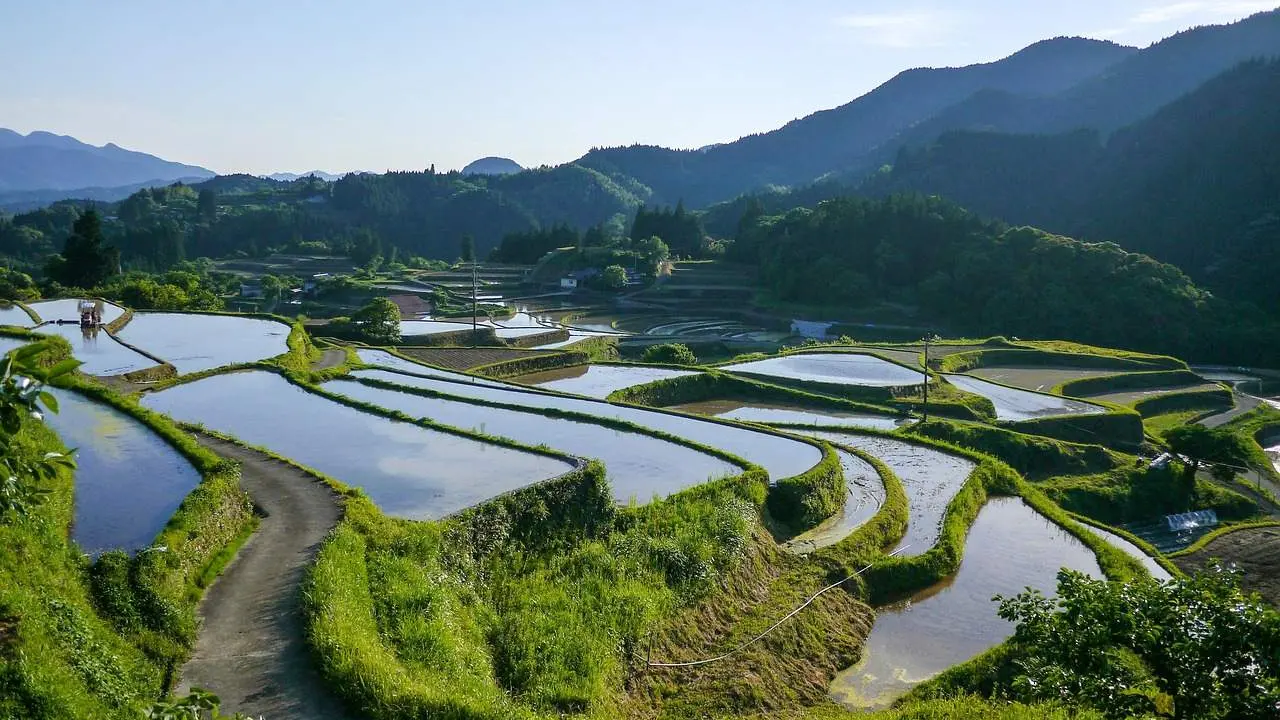
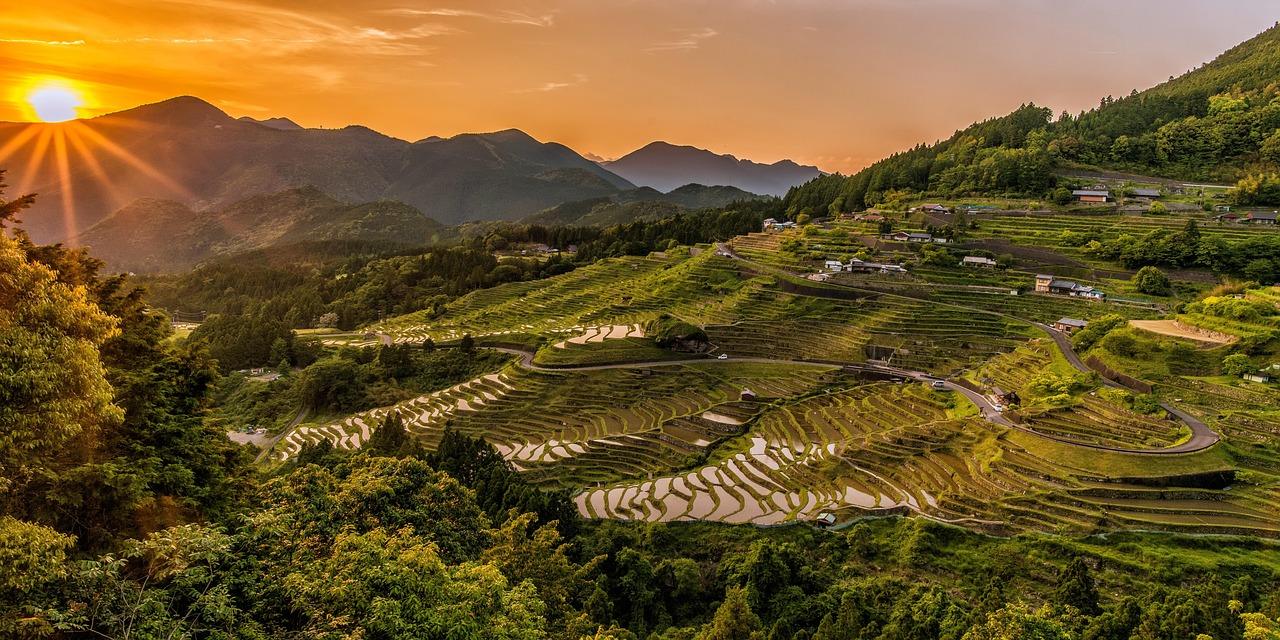
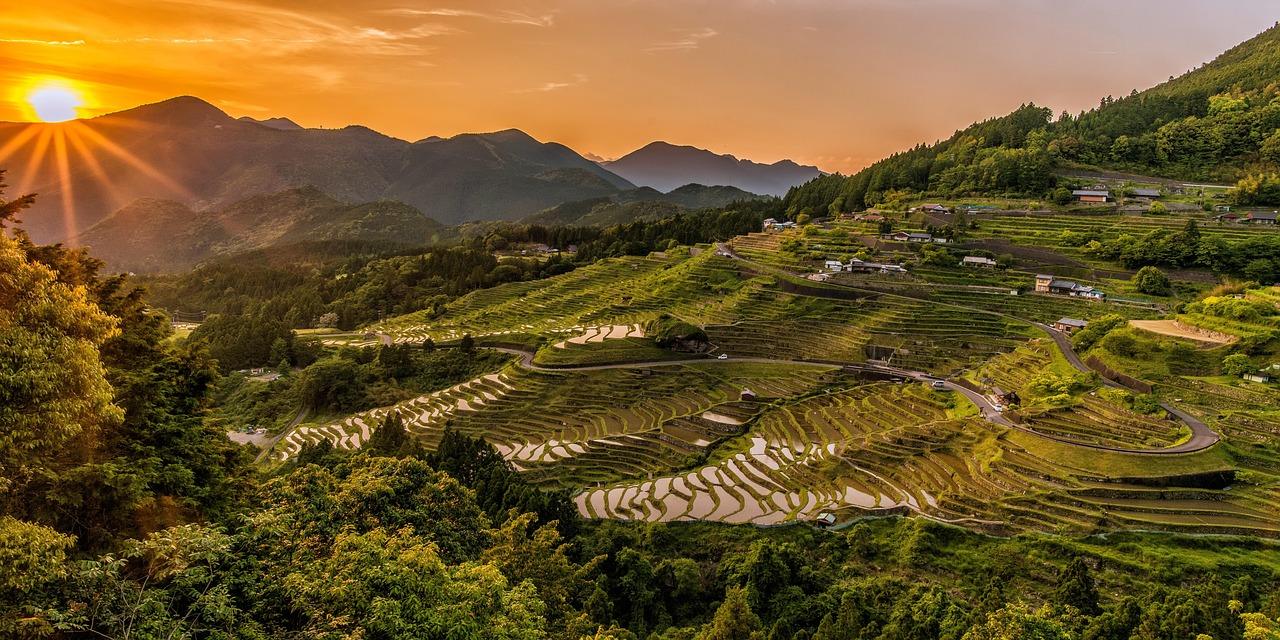
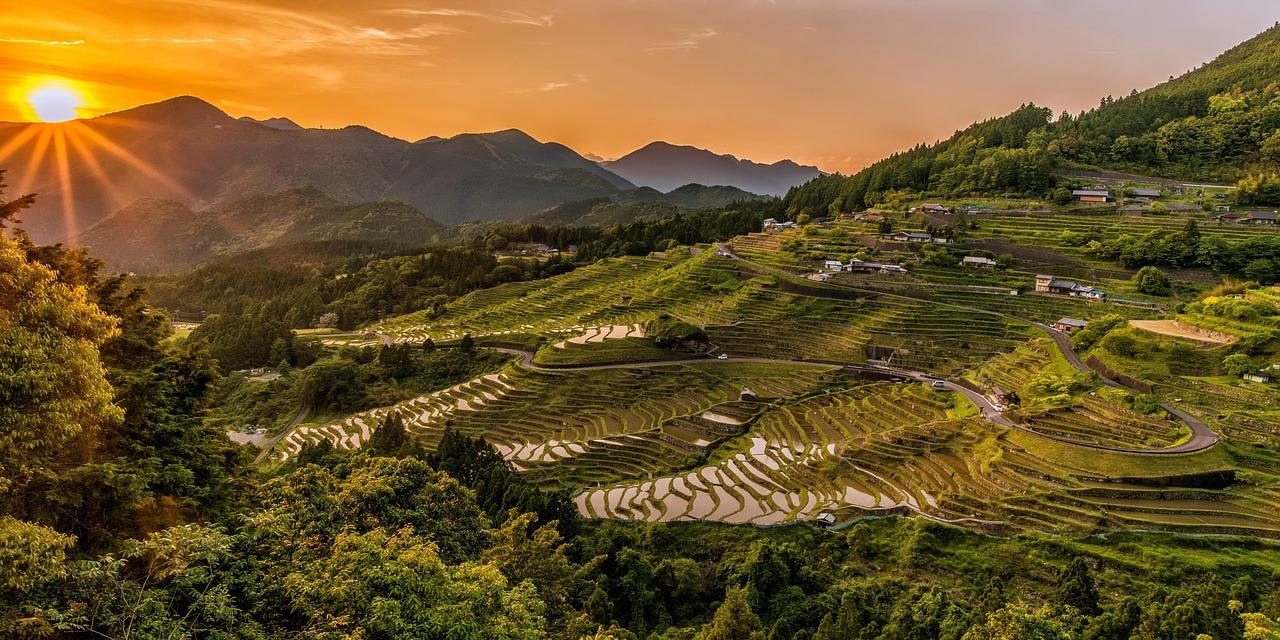
There is no best place, only a good fit. Work location, family needs, language level and tolerance for isolation should shape the choice more than a photo of a mountain valley.
- Large city: jobs, transport, English services and an international community, but small, costly housing and crowds.
- Regional city: a balance of services and space with lower rents, though a car is often useful and English services are fewer.
- Rural area: space, nature, tight communities and cheaper property, but a car is essential, services are limited and Japanese is needed.
If the countryside appeals, start with the guide to living in rural japan, which looks at community life, services and what a typical day involves. Visit in several seasons before you commit, because winter in a snowy region and summer in a humid lowland feel nothing alike.
Renting first is a sensible way to test an area.
Housing: renting, akiya and buying land
Renting in Japan has its own customs. Landlords may ask for a guarantor or a guarantor company, a deposit and sometimes a non-refundable “key money” payment. Some owners hesitate to rent to foreigners, though agents who specialise in international clients exist and the situation varies by area.
If you want to buy, the market has its own quirks. Japan’s countryside has many empty homes, often called akiya. Prices can look tempting, but condition, repair cost, local rules and access matter far more than the sticker price. A separate guide to akiya houses for sale explains how listings, banks and municipal “akiya banks” work, and what to inspect.
Buying land is a separate question from buying a house. Zoning, access roads, water, utilities and farmland rules can all limit what you may do. An overview of buying rural land in japan sets out the questions to ask before you pay a deposit.
Before you buy anything, keep this checklist in mind:
- Check the land category and whether a house can legally be built or lived in.
- Confirm road access, water supply, drainage and power connection.
- Ask about hazard maps for flooding, landslides and tsunami.
- Have a local professional review the title and any restrictions.
Building permits and earthquake-safe homes
Whether you renovate an old house or build new, Japan regulates construction carefully. Building standards, inspections and permits exist partly because of the country’s seismic risk, and rules differ depending on the zone and the type of structure.
Understanding the system early saves money. A guide to japan building permits for homes shows how applications, inspections and professional roles generally fit together.
Japan sits on several tectonic plates, so earthquakes are a fact of life, not an exotic risk. Modern building codes aim to keep occupants safe in strong shaking, while older wooden houses can be far more vulnerable. Read about earthquake resistant house japan to learn how design, foundations and retrofitting affect safety.
Practical steps for any home:
- Ask about the year of construction and whether it meets current seismic standards.
- Secure tall furniture and keep exits clear.
- Keep an emergency bag with water, food, a torch, a radio, medicines and copies of documents.
- Learn your local evacuation site and take part in neighbourhood drills.
Climate, typhoons and natural hazards
Japan stretches a long way from north to south, so the weather depends heavily on where you settle. Hokkaido has long, snowy winters; the Sea of Japan coast gets heavy snowfall; the Pacific side is drier in winter; and the southern islands are subtropical. A guide to japan climate by region compares them in detail.
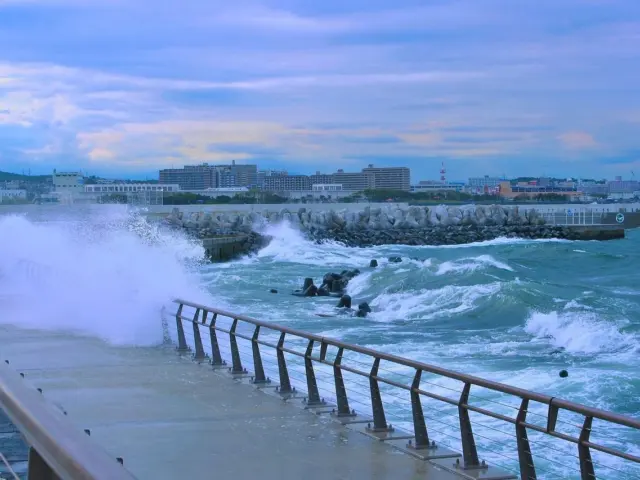
Typhoons deserve their own planning. A study in the Journal of the Meteorological Society of Japan reports that, on average, 2.7 typhoons make landfall and 11.4 approach Japan in a year. In that work, approach is judged by how close a storm’s centre comes, and the Japan Meteorological Agency’s operational definition uses a distance of 300 km. These are averages, so a given year may bring more or fewer.
Typhoons bring wind, heavy rain, flooding and landslides, and the season is concentrated in late summer and autumn. The japan typhoon preparedness guide covers how to prepare a house, a car and a household.
- Check municipal hazard maps before you rent or buy, especially near rivers and slopes.
- Follow warnings from the Japan Meteorological Agency and your local government.
- Stock supplies for several days in case roads, power or water are cut.
- Know your evacuation route and leave early when advised to.
Language, community and daily life
You can live in Japan without fluent Japanese in a big city, but even basic ability changes everything. Learning to read hiragana, katakana and common kanji makes forms, signs and shopping far easier. Many municipalities and volunteer groups offer free or low-cost Japanese classes.
Community matters more outside cities. Local associations handle rubbish collection points, festivals, road upkeep and disaster drills, and neighbours often notice when someone does not take part. Greet people, join in where you can and ask questions without embarrassment.
Some habits that smooth the way:
- Learn the sorting rules for burnable, recyclable and bulky rubbish.
- Keep noise down in the evening, especially in apartments.
- Remove shoes at the door of homes, and in many inns and clinics.
- Bring a small gift when you first meet close neighbours or a landlord.
Healthcare is generally reachable and good, but language can be a barrier. Larger hospitals often have interpreters or translation tools, while small clinics may not. A translation app and a written summary of your medical history help.
Transport, services and staying connected
In big cities, trains and subways make a car unnecessary, and a rechargeable transit card works across many networks. Outside the main urban belts, a car is often the only practical way to reach shops, clinics and schools. Rural bus services may be infrequent, and some routes are run by the community on a reduced timetable.
If you plan to drive, find out early how your licence is treated. Rules for converting or using a foreign licence differ by country. Winter driving in snowy regions also calls for proper tyres and experience.
Internet access is good in most places, with fibre widely available, but remote valleys may rely on mobile or home routers. Check coverage before you sign a lease. Parcel delivery is dependable almost everywhere, which helps in the countryside, although delivery times can stretch after storms or in snowy conditions.
- Test your mobile signal at the actual address, not just in the town centre.
- Ask how far the nearest supermarket, clinic and hospital really are.
- Find out whether the road to your door is cleared in winter.
- Learn the local emergency numbers and how to report a fire or accident.
Going further: self-reliant and off-grid living
Some newcomers are drawn to self-sufficiency: growing food, collecting water, generating energy and building with natural or recycled materials. In Japan this idea meets real constraints, including land rules, building law, utilities regulation and harsh weather.
If that is your direction, an overview of off-grid living in japan explains what is realistic and where the legal limits lie. For a specific design approach, see earthship building, which looks at the idea of thermally stable homes made partly from earth-packed tyres and how it might meet local requirements.
A sensible route is gradual. Rent in the area first, understand the climate and community, secure your legal status, and only then invest in land. Rural life tends to reward patience more than speed.
Frequently asked questions
How soon must newcomers register their address?
Show answer
Do it at your municipal office as soon as you have a fixed address, because the university guidance cited above attaches a fine to delay. Local procedures differ, so ask the counter what to bring.
Is national health insurance compulsory for foreign residents?
Show answer
It depends on your cover. Workplace insurance through an employer replaces the municipal scheme, while foreign residents staying in Japan for more than 3 months without it are expected to enrol at the city office.
How many typhoons hit Japan each year?
Show answer
A Journal of the Meteorological Society of Japan study gives averages of 2.7 landfalling typhoons and 11.4 approaching typhoons a year. Individual years vary.
Can you live in Japan without speaking Japanese?
Show answer
In big cities it is possible, especially with an international employer. In smaller towns, basic Japanese becomes very useful for paperwork, neighbours and emergencies.
Is it better to rent or buy first?
Show answer
Renting first is the lower-risk option. It lets you test the climate, commute and community before taking on property, repairs and legal questions.