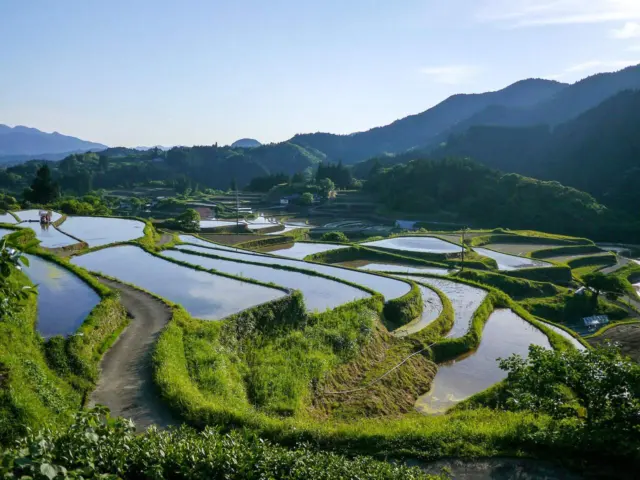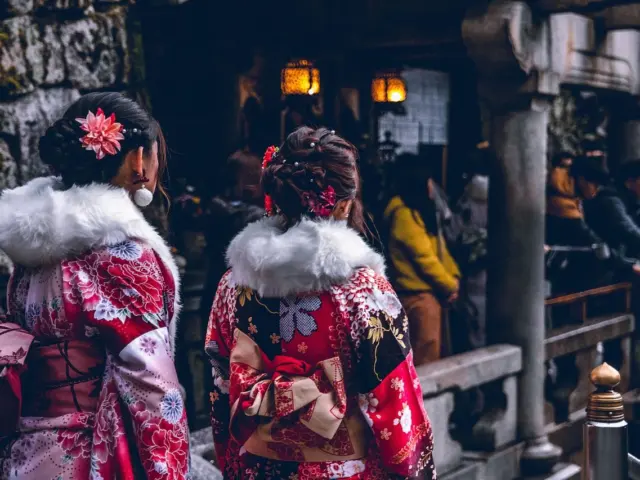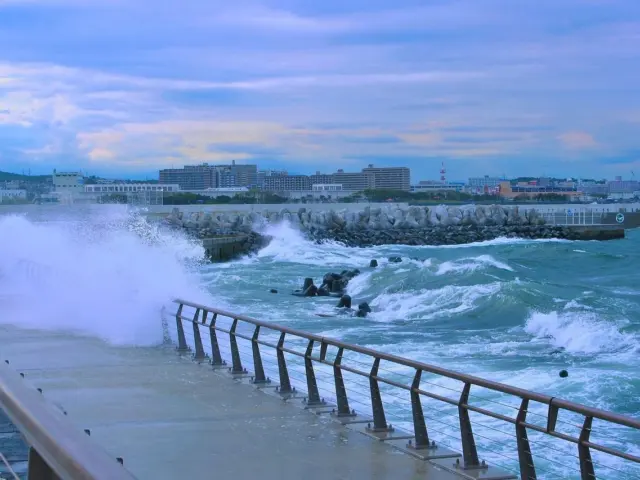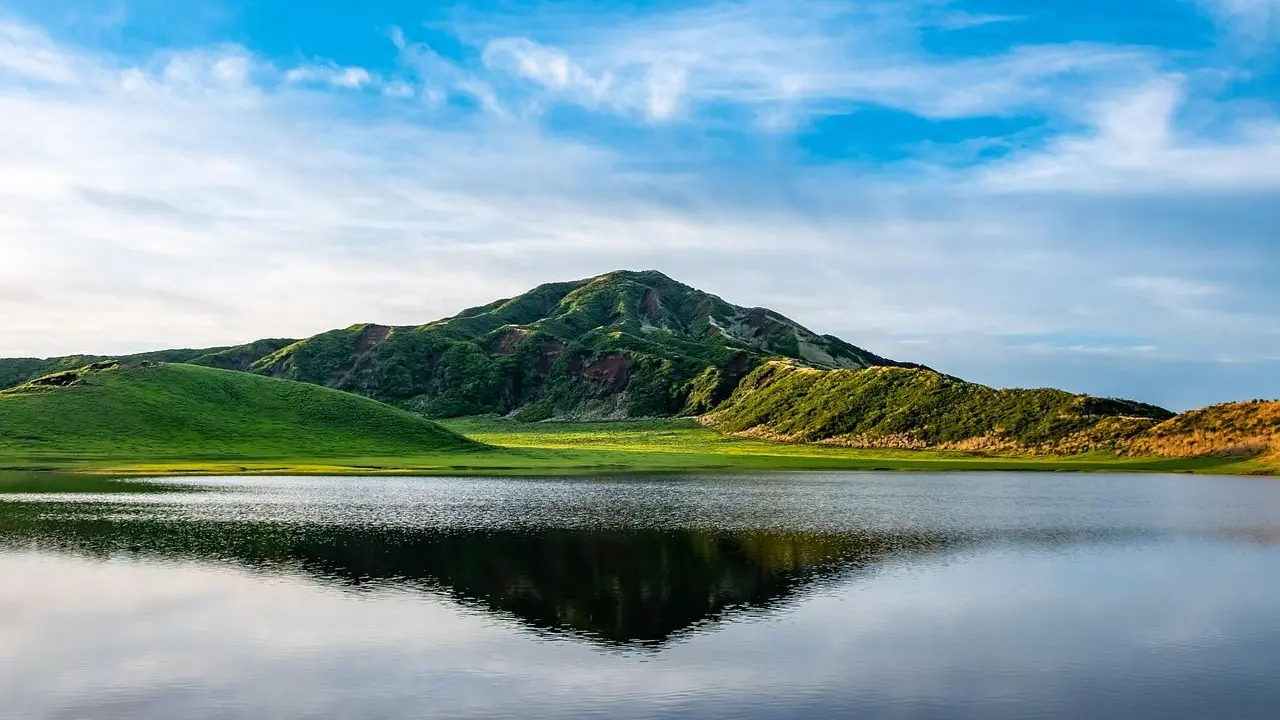
Planning a move and wondering what japan climate by region really looks like? It varies enormously: frozen, snowy winters in Hokkaido, mild Inland Sea days, and near-tropical heat in Okinawa. Match the place to your tolerance.
This guide is part of our wider look at living in japan, focused on weather.
| Item | Value |
|---|---|
| Principal climatic zones | Six |
| Northern Hokkaido climate type | Cold humid continental (Köppen Dfb) |
| Southern Ryukyu climate type | Tropical rainforest (Köppen Af) |
| Main rainy season | Begins early June, lasts about a month |
| Official climate normals period | 1991–2020 (30-year averages) |
Figures come from Wikipedia’s Climate of Japan page and the Japan Meteorological Agency normals page. They can change, so check the sources before you rely on them.
Why Japan’s climate differs so much from place to place
Japan stretches a long way north to south, and its mountain ranges run down the middle of the main island. Together these two facts create sharply different weather within a few hours’ travel.
Wikipedia notes that the country’s varied geography divides it into six principal climatic zones. They range from cold humid continental in the north to tropical rainforest in the far south.
For anyone thinking about a rural or off-grid life, this matters a great deal. Heating needs, solar potential, water supply and building design all depend on which zone you pick.
A sensible way to read the rest of this guide is to ask three questions of each region. How cold does the winter get, how much snow falls, and how hot and humid is the summer?
Your answers will rule some regions out quickly. Someone who dislikes shovelling snow will probably skip the Sea of Japan coast, while someone who cannot stand humid heat may look north rather than south.
Hokkaido: long, very cold winters
Hokkaido has the most distinct climate of the main islands. Its winters are long and cold, and its summers are comparatively short and cool.
The source describes Hokkaido as belonging to the humid continental climate type, with long, very cold winters. Snowfall is large in places such as Sapporo and Asahikawa, even though overall precipitation is sparse.
What this means in practice:
- Snow clearing and road access become part of daily routine.
The Sea of Japan side versus the Pacific side
Honshu is split by its central mountains into two quite different winter worlds. This is the contrast that surprises many newcomers.
In winter, a cold air flow crosses the country. Wikipedia says it brings heavy snowfalls to the central mountain ranges facing the Sea of Japan, but clear skies to areas fronting on the Pacific.
Sea of Japan side
The northwest seasonal wind gives heavy winter snowfall here. South of Tōhoku the snow mostly melts before spring begins.
Summers are a little less rainy than on the Pacific side. They can still bring extreme heat because of the foehn wind phenomenon.
Pacific side
Winters here are generally significantly milder and sunnier than on the Sea of Japan side, though the climate varies greatly from north to south. That is good news for winter sunshine and for solar panels.
The trade-off is summer. Summers are hot because of the southeast seasonal wind, and the north-south variation along this coast is large.
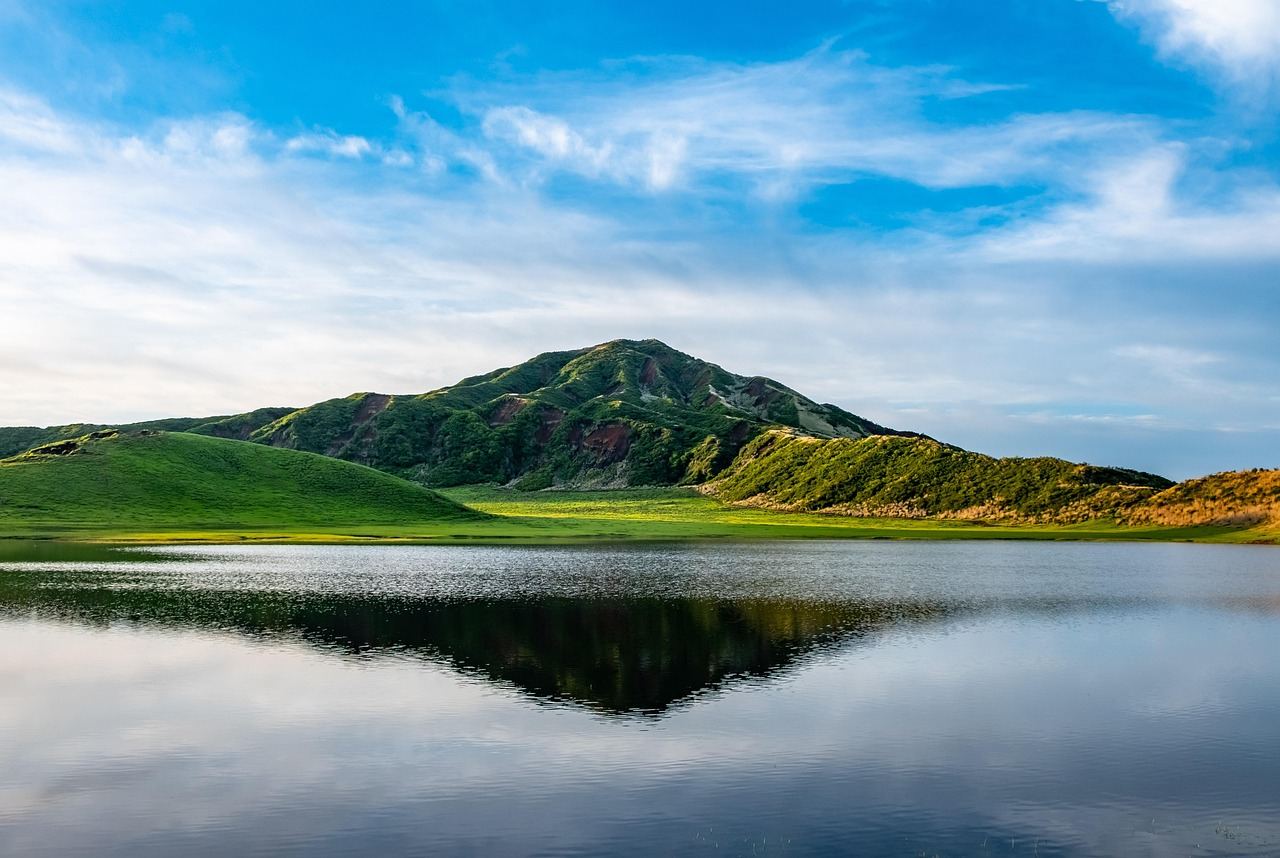
The Seto Inland Sea: the gentle middle
Mountains in the Chūgoku and Shikoku regions block the seasonal winds.
The result, according to the source, is a mild climate with many fine days throughout the year.
Keep in mind that mild does not mean maintenance-free. Summers are still warm and humid, and a rural house still needs good ventilation.
For people who want a gentler first year in a new country, this area is a reasonable place to begin your search. You can always move toward colder or warmer regions later once you know your own limits.
The Nansei (Ryukyu) Islands: subtropical to tropical
Okinawa and the islands around it sit in a different climate again. Winters are warm and summers are hot.
The Ryukyu climate runs from humid subtropical (Köppen Cfa) in the north to tropical rainforest (Köppen Af) in the south. Precipitation is very high and is especially affected by the rainy season and typhoons.
If you are considering this region, read our guide to japan typhoon preparedness before you commit to a site or a building style.
Warm winters make heating a small concern here, but the heat and humidity put cooling, airflow and rust protection at the centre of any building plan. Salt air near the coast adds to that wear.
Seasons that apply almost everywhere
Whatever region you choose, a few national patterns apply. Summer from June to September is hot and wet, with moist tropical air flowing in from the Pacific and Southeast Asia.
There is also a marked rainy season, beginning in early June and continuing for about a month. Humidity during this period is a real issue for mould, wood and stored goods.
Winter is dominated by the Siberian High over the Eurasian land mass and the Aleutian Low over the northern Pacific. That pairing is what sends cold air across the islands and drives the snow contrast described above.
Plan around these patterns rather than against them. Choose a house orientation that catches winter sun, allow for damp in the rainy season, and keep storage dry and ventilated.
Seasonal change is also a pleasure, not only a hurdle. Many people choose Japan precisely because each season looks and feels so different, and your daily rhythm follows it.
How to compare places before you decide
General regional descriptions only go so far. Local valleys, elevation and exposure can make two nearby towns feel very different.
Use the Japan Meteorological Agency’s tables of climatological normals. These are averages or totals of observed data over a consecutive 30-year period, and the current set covers 1991–2020.
- Pick two or three candidate regions that match your tolerance for cold, heat and snow.
- Look up the nearest observatory’s monthly normals for temperature, rainfall and snow.
- Compare winter and summer extremes, not just yearly averages.
- Visit in the worst season, not the best one.
Your length of stay also shapes this choice, so review japan long term visa options alongside your climate shortlist.
This site is independent and educational. It is not affiliated with any agency or organisation named here, and it offers no consulting or services.
Frequently asked questions
Which part of Japan has the mildest climate?
Show answer
The Seto Inland Sea area is described as mild with many fine days, because mountains in Chūgoku and Shikoku block seasonal winds.
Where does it snow most in Japan?
Show answer
The Sea of Japan side gets heavy winter snowfall from the northwest seasonal wind, and Hokkaido has large snowfalls in places such as Sapporo and Asahikawa.
Is the Pacific side sunnier in winter?
Show answer
Generally, yes. In general, the Pacific coast has milder, sunnier winters than the Sea of Japan coast, but conditions differ a lot between north and south.
When is the rainy season?
Show answer
The main rainy season begins in early June and continues for about a month, according to the source cited above.