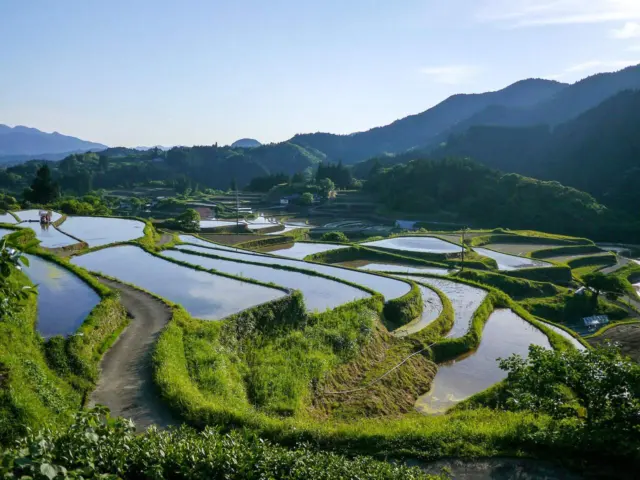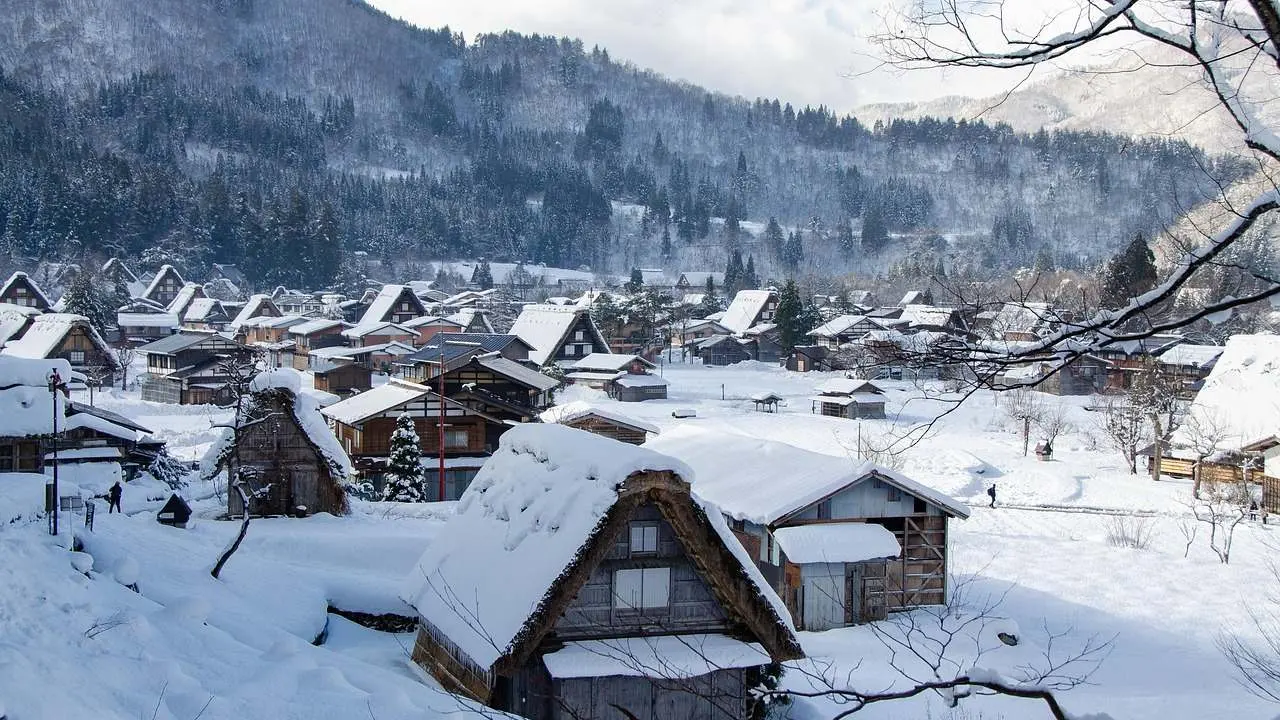
Dreaming of a plot in the countryside? Buying rural land in Japan is open to foreigners with no visa test, but farmland needs local approval and a few reports apply.
This guide sits within our wider look at living in japan.
| Item | Value |
|---|---|
| Residency or visa needed to own land | None required |
| Approval body for farmland transfers | Local agricultural committee (Agricultural Land Act, Article 3) |
| Non-resident purchase report to the Ministry of Finance | Within 20 days |
| Farmland acquisitions by foreign residents, 2024 | 377 acquisitions, about 95 hectares |
| Offer to keys, typical resale apartment or house | Six to ten weeks |
These figures come from AkiyaHub’s farmland guide and E-Housing’s 2026 rules guide. Rules change, so check the source before you rely on them.
Can foreigners own rural land in Japan?
Yes. One 2026 guide says there is no residency requirement, no visa requirement, no nationality test, and no cap on how much land or how many homes you can own, according to E-Housing.
Owning land does not give you the right to live in Japan, though. Your visa is a separate question, and you should settle it before you plan a life around a plot.
The same guide names farmland as a real exception, where a permit is needed. The first job is to learn what each parcel legally is.
Why farmland is the tricky part
A lot of cheap countryside land is registered as farmland, even when it looks like a garden or an overgrown field. A transfer of rights to farmland, including ownership, generally requires approval from the agricultural committee under Article 3 of the Agricultural Land Act, as AkiyaHub explains.
The committee is not simply checking whether you can afford the land. It considers whether you can use the farmland appropriately and whether the purchase would affect surrounding agricultural land.
The same source says the issue is agricultural use, not nationality alone, and that it is too simple to say foreigners cannot buy farmland in Japan. Foreign residents did acquire farmland in 2024 under MAFF statistics, which recorded 377 acquisitions covering about 95 hectares.
If you only want a house site, you may face a second hurdle. Conversion to housing, parking, commercial use and other non-agricultural uses is controlled, so approval to buy is not the same as permission to build.
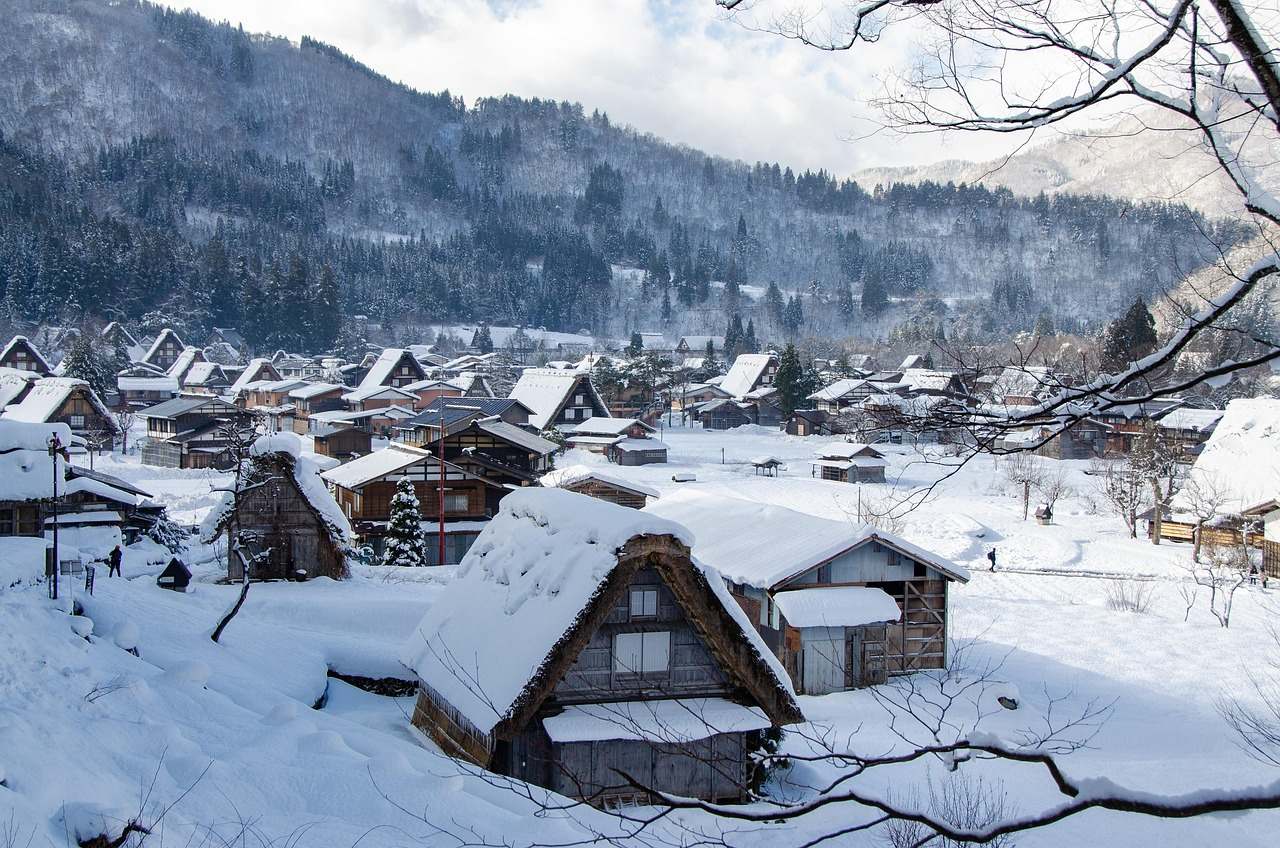
What to check before you make an offer
Treat every listing as a bundle of separate parcels. A continuous-looking yard does not change each parcel’s legal status, so ask for the classification of each one.
- Which parcels are included in the sale?
- What is the registered or legally relevant classification of each parcel?
- What use is allowed for each parcel?
If a listing says the plot includes 農地 (nochi, farmland), ask your agent how the farmland portion will be handled before you make an offer, as the E-Housing guide advises.
Also look at the ground itself. Slope, access roads, water supply, drainage and hazard risk decide whether a cheap plot is a bargain. Our notes on japan typhoon preparedness show why exposure to wind and flooding matters when you pick a site.
If you are weighing a house with land attached, read about akiya houses for sale, since many of those listings include farmland portions.
The buying process step by step
The sequence is similar to any Japanese property purchase, with extra checks for rural land. For a resale apartment or house, six to ten weeks is typical from accepted offer to keys, according to E-Housing.
- Identify each parcel and its legal classification.
- Make an offer and, for farmland, confirm how approval will be handled.
- If you are a non-resident, file the report to the Ministry of Finance.
Agents and professionals who handle this work are separate from this site, which gives general education only and cannot advise on a particular purchase.
Reports and new rules for foreign buyers
Under the Foreign Exchange and Foreign Trade Act, a non-resident who acquires real estate in Japan must file a report with the Minister of Finance, via the Bank of Japan, within 20 days. E-Housing says this applies to purchases since April 2026.
Registration is changing too. According to the same guide, buyers registering ownership will declare their nationality from October 5, 2026, under an ordinance promulgated on March 31, 2026.
The guide also notes that land of 200 m² or more in security watch zones needs prior notice. Rules in this area are moving, so confirm the current position with a qualified professional.
Planning for the land you buy
Scale matters for the wider picture. MAFF reported about 4.27 million hectares of farmland in 2024, and current policy aims to retain 4.12 million hectares by 2030 for food security, per AkiyaHub. That policy explains why the committee is cautious about plots that will not be farmed.
Decide what you really need: a house site, a garden, or working land. If you want to grow food, farmland rules may suit you. If you want a house, a residential parcel is usually the easier path.
Common mistakes with rural plots
The biggest error is assuming that a cheap price means a simple purchase. A low-priced plot often carries the hidden cost of paperwork, time and limits on what you may build.
- Assuming the whole listing is residential when part of it is registered farmland.
- Planning a house before checking whether use-change permission is realistic.
- Forgetting the non-resident report after the purchase is complete.
- Ignoring road access, water and drainage until after signing.
- Relying on a blog post, including this one, instead of the current rules from the authorities.
A sensible habit is to write down every question about each parcel and get the answers in writing from the seller’s agent. If an answer sounds vague, ask a licensed professional who is independent of the sale to confirm it.
Finally, visit in person if you can, at different times of year. A field that looks gentle when dry can be wet, shaded or hard to reach after heavy rain, and neighbours can tell you things no listing will mention.
Frequently asked questions
Do I need a visa to buy land in Japan?
Show answer
No. The E-Housing guide says there is no residency requirement, no visa requirement and no nationality test for owning land.
Can a foreigner buy farmland?
Show answer
Possibly. Farmland transfers generally need agricultural committee approval, and MAFF’s 2024 statistics recorded 377 acquisitions by foreign residents.
Do non-residents have to report a purchase?
Show answer
Yes. The E-Housing guide says non-residents must report to the Ministry of Finance within 20 days under the Foreign Exchange and Foreign Trade Act.
How long does a purchase take?
Show answer
Allow six to ten weeks for a resale apartment or house, according to E-Housing. Farmland approval or a use-change permission may add time on top.