Dreaming of off-grid living in Japan but unsure where to begin? It is possible, but you must choose land, water, power and waste systems carefully and check local rules first. Start with a cheap rural house, not bare land.
| Item | Value |
|---|---|
| Vacant homes in Japan, October 2023 | 8.99 million |
| Share of all homes that were vacant | 13.8% |
| Vacant homes of unknown status | More than 3.8 million |
| Vacant homes up for sale | 330,000 |
| Highest prefectural vacancy rate (Wakayama and Tokushima) | 21.2% |
These figures come from reporting on the government’s 2023 survey, published in Global Construction Review and Yahoo News UK in May 2024. They can change with each new survey, so check the sources before you rely on them.
Why Japan is a hard but rewarding place to go off-grid
Japan is a country of mountains, forests and heavy weather. The Ministry of Land, Infrastructure, Transport and Tourism says about three-fourths of the national land is mountains. This mountainous setting creates rivers that are generally short with steep channel slopes.
The same ministry page describes a climate with three periods of heavy precipitation: winter snow on the Japan Sea side, the tsuyu rainy season in June and July, and typhoons. For an off-grid household, this has two sides. Rain is a free water source, while storms, snow loads and landslides are real design constraints.
Before anything else, work out which of these describes you:
- A weekend retreat: you can tolerate basic systems and long gaps between visits.
- A full-time home: you need reliable heat, water and a way to get to a clinic and a shop in winter.
- A partly off-grid home: you keep a grid connection as a backup and cut your dependence on it.
Most newcomers do best with the third option at first. Fully disconnecting is possible, but it is much harder to reverse if you misjudge a site. If you are still deciding whether the country itself suits you, the broader guide to living in japan covers visas, language and daily life.
Be honest about your skills and your health, too. Off-grid life means lifting, chopping, repairing and walking in bad weather. If you plan to stay for decades, think about how the same house will work for you at an older age, and whether a shop, a bus stop or a clinic is within reach.
Finally, consider the people around you. Rural Japan has ageing communities, and many villages welcome newcomers who contribute, but expectations vary. A respectful, patient first year builds the goodwill that makes everything else easier.
Finding a house or land: the akiya route
Buying an empty house is usually simpler than buying bare land. According to the figures above, Japan had a record 8.99 million vacant homes as of October 2023, or 13.8% of all homes. Yahoo News UK reported that the count was up by more than half a million since the 2018 survey.
Do not read that number as 8.99 million bargains. Of the total, more than 3.8 million were of unknown status, and only 330,000 were up for sale. Many of the rest are rentals, second homes or houses whose owners will not sell.
Where to look
Rural municipalities often run an “akiya bank”, a local listing of empty houses that owners are willing to sell or rent. Some towns also offer renovation help or incentives for new residents. These schemes differ from town to town, so ask the town office about the terms before you assume you qualify.
Vacancy is not spread evenly. Global Construction Review reported that Wakayama and Tokushima prefectures tied for the highest share of vacant homes, at 21.2%. High vacancy often means lower prices, but it also means a thinner population, fewer services and sometimes a shrinking community.
What to check before you buy
- Legal status of the land. Ask the town office about the land category before you sign anything.
- Access. Confirm there is a legal road to the property and that it stays passable in snow.
- Water source. Find out whether there is a well, a spring, a shared mountain supply or only mains water.
- Structure. Look for roof leaks, rot, termites and foundation movement, since a leaking roof can ruin an old house within a few seasons.
- Natural hazards. Ask the municipality for its hazard map covering floods, landslides and tsunami.
- Neighbours and customs. Rural areas have shared duties such as road clearing and festival roles. Talk to neighbours before you commit.
A bilingual real-estate agent or an administrative scrivener can help with paperwork. This site does not offer such services and is not connected with any agent or agency. Treat the checklist as a starting point for your own questions.
Water: rain, wells and filtration
Water is the system to settle early, because daily life depends on it. The ministry page says that annual precipitation far exceeds the world average, yet this does not mean abundance of water resources. For a household on a hillside, rain is still a useful supply.
A rural Japanese home usually draws on one or more of these sources:
- Rainwater from the roof: cheap and simple, but it needs a clean roof, a first-flush diverter and careful storage. The guide on how to collect rainwater for drinking walks through the steps.
- A well or spring: often the best source if it exists, but water quality varies from place to place and should be tested.
- A mountain stream or shared supply: useful for non-drinking uses, but check who holds the water rights and what lies upstream.
Whatever you choose, treat water before you drink it. The article on off grid water filtration discusses filtration.
Do not assume a private supply is checked by anyone but you. Public water systems are tested by their operators, while a roof tank, well or spring is your own responsibility. Ask the municipality or the local health centre (hokenjo) whether testing services are available for private water.
When you test, ask the lab which contaminants it covers. Bacteria, nitrates, metals and agricultural residues each need a different test.
Power, heat and internet
Electricity is the part most people picture first, usually as solar panels on the roof. A small system with batteries can run lights, a fridge, a laptop and pumps. Running heaters, an electric cooker or a hot-water tank on solar alone takes a much larger and costlier system.
For sizing, start by listing every appliance and the hours you use it. The off grid solar power system for beginners guide shows how to turn that list into panel and battery sizes. Remember that the Japan Sea side gets deep winter snow, so panels there produce less in the months you need heat most.
Heating
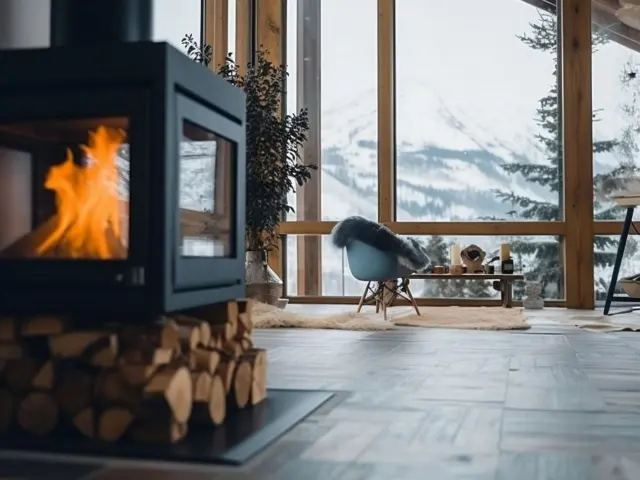
Heat is usually a bigger problem than electricity in the mountains. Wood is the traditional answer, and many rural houses already have a chimney or space for a stove. The guide to wood stove heating off grid covers stove choice, clearances and fuel storage.
Think about these points before you rely on wood:
- Fuel supply: do you have land, a neighbour or a local supplier that can provide dry firewood?
- Insulation: older houses leak heat badly, and insulating often saves more than buying a bigger stove.
- Safety: install a carbon monoxide alarm and keep the chimney clean.
- Humidity: the damp climate means wood must be seasoned under cover for a long time.
Staying connected
Remote valleys can have weak mobile signal and no fibre. Work out your connection before you buy a house, especially if you need to work online. The options are covered in the article on off grid internet options, and you should test the signal at the property on a bad-weather day, not only on a sunny viewing visit.
Waste, food and everyday life
Ask the town office which wastewater rules apply to a tank that is already installed. If the house already has a tank, ask for its maintenance records and find out who services it.
A composting toilet can reduce water use and waste, but it does not handle sink, shower and laundry water. You will still need a lawful way to treat that water, and the right answer depends on your municipality. The explainer on composting toilet how it works describes the process, and your town office can tell you what it allows.
Growing food
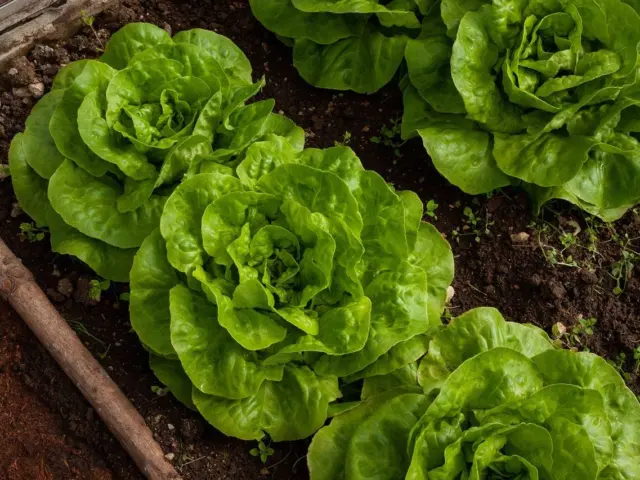
A garden gives you fresh vegetables and a daily reason to be outside. The soil in an abandoned plot may be compacted or overgrown, and wild boar, deer and monkeys are a common problem in rural areas. Plan fencing from the start, and see the guide to a vegetable garden off grid for layout and seasonal planning.
The social side
Off-grid does not mean alone. In a small Japanese village, you rely on neighbours for local knowledge, help in a storm and goodwill. Learn some Japanese, join community days where you can, and be patient with the pace of acceptance.
If you are drawn to unconventional building, you may also have read about the earthship building style. Japan’s building and safety rules, its earthquake risk and its snow loads make any non-standard structure a matter for a qualified local architect, so do not assume a foreign design can be built here as drawn.
Planning for storms, snow and power cuts
Japan’s weather and geology reward a cautious design. The ministry page describes the country as sitting on the Circum-Pacific “ring of fire”, and says its rivers are generally short with steep channel slopes. In practice, this means a site that looks peaceful in spring can be dangerous after a typhoon or during snowmelt.
Use this short list when you assess a property:
- Slope and soil: avoid the foot of steep slopes and the mouths of small valleys, where debris tends to run.
- Stream proximity: a house near a short, steep river can flood fast after intense rain.
- Roof and snow: in heavy-snow regions, panels, gutters and rain tanks must cope with snow load and sliding snow.
- Access in winter: a road that closes for days can cut you off from food, fuel and medical care.
- Emergency stock: keep stored water, food, light and a way to charge a phone.
The off-grid lifestyle gives you some resilience, because you already hold stored water and your own power. It does not remove the risk. Read the municipal hazard map, learn the local evacuation points and talk to long-term residents about what the last big storm did to the area.
A simple order of work
Many beginners buy panels first because they are the most visible part of an off-grid home. A better order is to make the building sound, secure the water, set up heat, and only then size the power system around real needs. A dry, insulated house needs a far smaller system than a draughty one.
Keep a notebook from the first day. Record rainfall, tank levels, solar output, firewood use and repair costs. After a year, this record becomes your own local dataset, and it will guide every later decision better than any general rule of thumb.
It also helps to try before you commit. Stay a few nights in a similar house without mains services, and notice what annoys you, whether it is carrying water, tending a fire or the lack of a signal. Small frustrations at this stage are cheap lessons compared with discovering them after you have bought the house.
Redundancy beats size
Consider a second water source, a backup heater that needs no electricity and a spare lamp, and assess their costs.
Maintenance is part of the plan, too. Panels need inspection after storms, gutters need clearing, tanks need cleaning and filters need replacing. Write a seasonal maintenance calendar in your first year and adjust it as you learn how your own site behaves.
Budget, rules and a sensible first year
Costs vary hugely by region, house condition and how much you do yourself. The purchase price of an akiya can be low, but roof repair, insulation, water treatment, power and waste systems add up fast. The article on off grid living cost breaks down what to budget for.
A cautious plan looks like this:
- Rent first. Spend a full year in the area, including a winter, before you buy.
- Survey the house. Pay for an independent inspection of the structure, roof and drainage.
- Ask the town. Visit the municipal office about subsidies, land category, septic rules and hazard maps.
- Start with water and heat. These keep you safe, so solve them before comfort extras.
- Add power in stages. Begin with a small solar kit and expand once you know your real use.
- Keep a fallback. Hold a grid connection, a car and a budget for emergencies until your systems have proven themselves.
Rules change, and they differ by prefecture and town. This site is independent and educational: it is not affiliated with any agency, company or organisation mentioned, it does not give legal advice, and it cannot confirm what applies to your plot. Always confirm with the authority responsible, such as your municipal office, before you build, drill, buy or dig.
Frequently asked questions
Is off-grid living legal in Japan?
Show answer
This site cannot give legal advice. Rules on land use, buildings, water and wastewater may apply to any home, so check with the local office before you buy or build.
Can foreigners buy a rural house in Japan?
Show answer
Rules on property purchase, reporting and farmland change over time and differ by case. Ask the municipality and a qualified professional what applies to your situation before you commit.
Is it safe to drink rainwater or well water?
Show answer
Only after you have tested it and treated it appropriately. Roofs, tanks and wells can all carry contamination, so use filtration and disinfection suited to your test results.
How should I start if I have never lived off-grid?
Show answer
Rent in the area for a full year, then buy a modest house with a good roof and a reliable water source. Add systems gradually and keep a grid connection as a backup until you trust your setup.