Wondering whether akiya houses for sale are a real way into rural Japan? They are: millions of homes sit empty, and many are listed through local governments, though price is only part of the story.
Akiya fit naturally into the wider topic of living in japan, especially if you dream of a quieter, self-reliant life.
| Item | Value |
|---|---|
| Vacant houses in Japan (2023 survey) | 9.0 million |
| Vacancy rate | 13.8% of housing stock |
| Total housing stock | 65.02 million units |
| Vacant homes listed for sale | 330,000 |
| Vacant homes in the “other” category | 3.85 million |
These figures come from a secondary summary of the national survey, Institute for Social Vision Design, and can change with each new survey, so check the source before you rely on them.
What do akiya houses for sale actually mean?
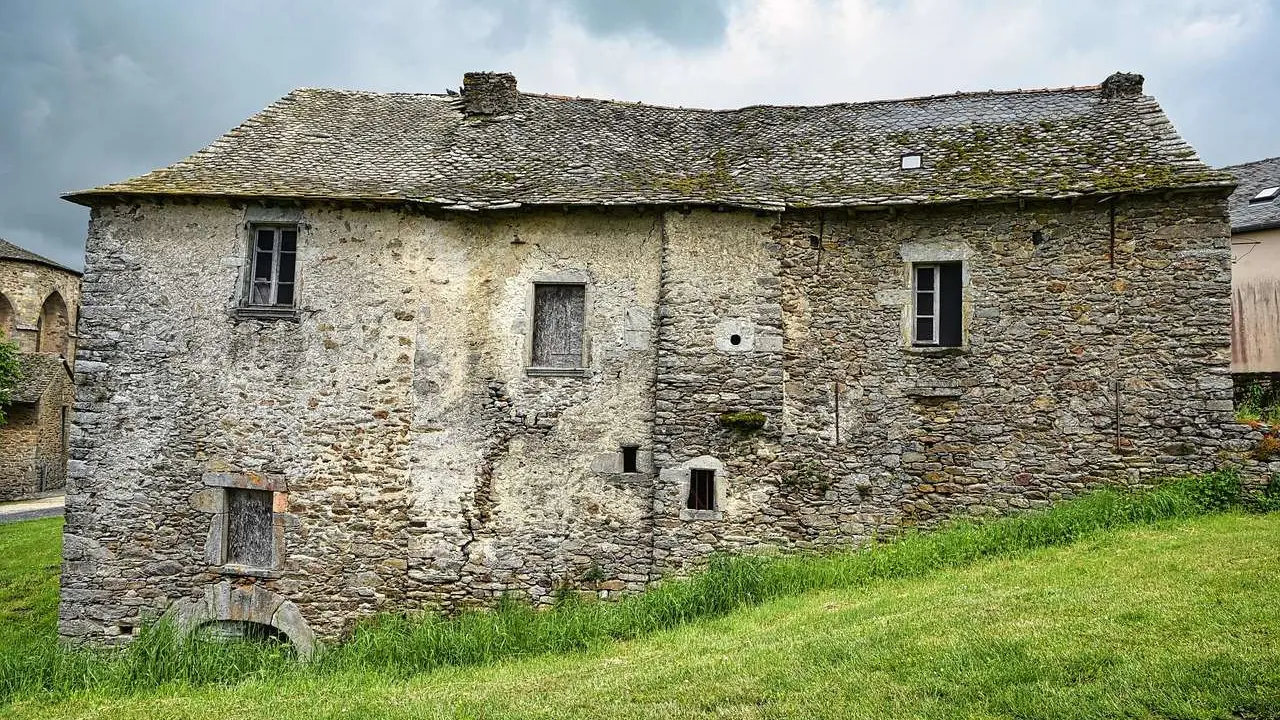
The word akiya is Japanese for an empty house. In everyday use it covers anything from a tidy, lightly used home to a collapsing farmhouse that nobody has entered for years.
Not every vacant house is abandoned. The national count mixes very different kinds of property, which is why headlines about “nine million free houses” mislead more than they inform.
How many empty houses are there, and why?
According to the 2023 national survey, as summarised by one Japanese think tank, vacant houses reached 9.0 million, a vacancy rate of 13.8%. The same summary says the count has exactly doubled since 1993, when it stood at 4.48 million.
Most of those homes are not for sale. The breakdown looks like this:
- 4.43 million are for rent.
- 330,000 are for sale.
- 380,000 are second homes, such as vacation properties.
- 3.85 million are abandoned, with no plans for rental or sale.
So only a small slice is on the market. The large “other” group consists of properties with no plans for rental or sale.
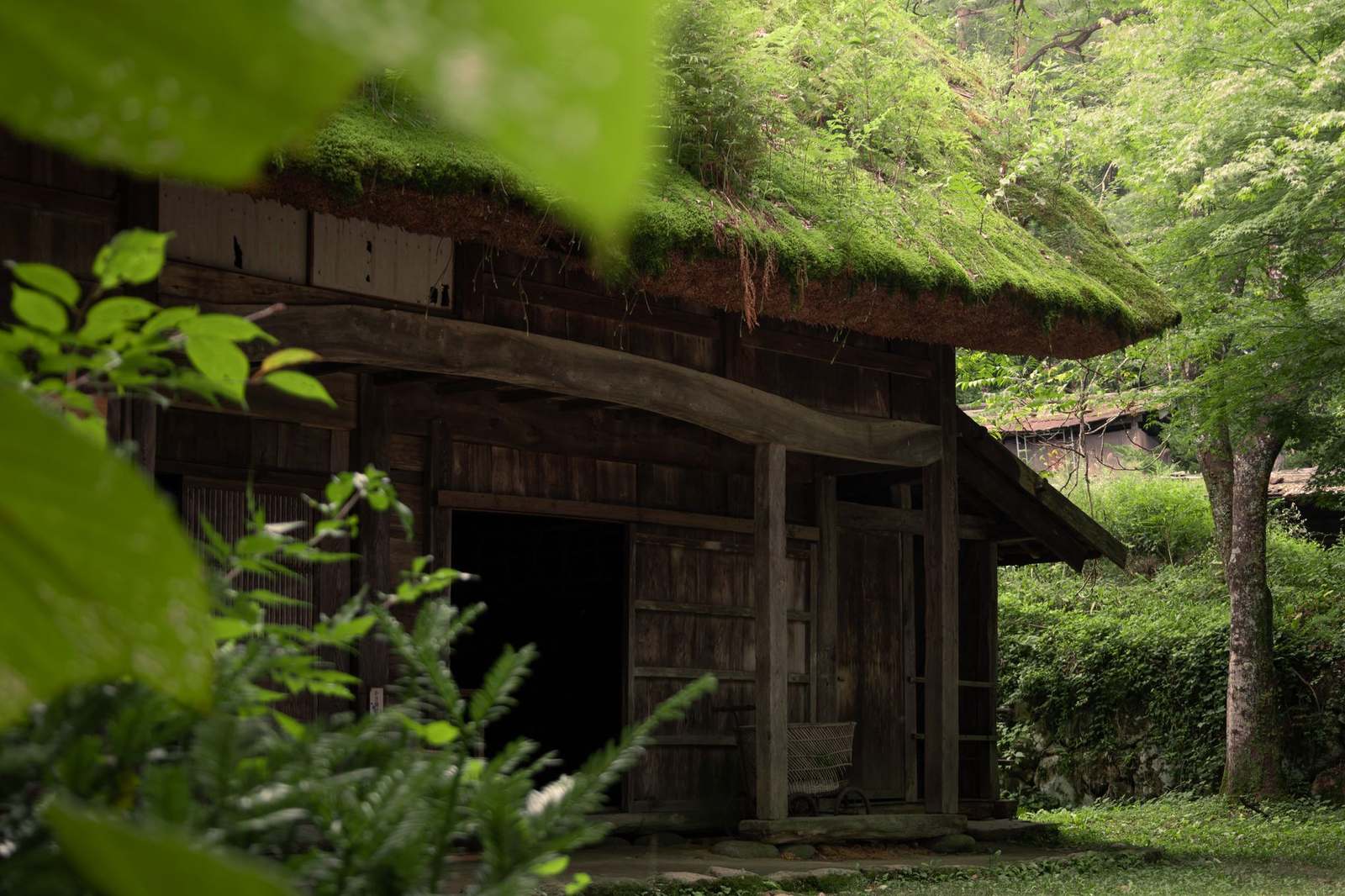
Why are so many homes left empty?
The same think tank points to three forces that keep the number climbing: a residential land tax exemption, high demolition costs, and complicated inheritance. Together it calls them a “triple deadlock”.
In practice, that means an heir may live far away, share ownership with relatives, and face a bill to knock the house down. Leaving it standing is often the cheapest choice, even when the house decays.
For a buyer, this explains two things: why cheap houses exist, and why some of them are slow or awkward to purchase.
How do akiya banks work?
Despite the name, an akiya bank is not a financial institution. Tokyo Cheapo describes them as “local government run property information services” meant to encourage owners to sell and to attract outsiders to move to the area.
The same guide notes that each one is run by a different local government, at city, town, village or prefectural level.
Foreign buyers are “usually quite welcome”, but most akiya banks make no allowances for non-Japanese speakers. Expect Japanese-language pages and staff.
Useful ways to use an akiya bank:
- Get a feel for what a small town offers and at what price range.
- Find online property information for small towns or villages, often available only through an akiya bank.
- Learn what the municipality expects of new residents.
Tokyo Cheapo also mentions tax-foreclosure listings, which the National Tax Agency publishes for unpaid national taxes, as another route. See the Tokyo Cheapo guide for the details; the guide’s information may have changed since it was written.
What should you check before you buy?
A low price tag is the start of the costs, not the end. Many of these homes need repair, and rural land brings its own questions about boundaries, access and ownership.
- Ownership: confirm who legally owns the house and land, and whether several heirs must agree to the sale.
- Condition: have the structure, roof, water and drainage inspected before you commit.
- Land rules: read up on buying rural land in japan, since the land can matter more than the house.
- Renovation limits: understand japan building permits for homes before you plan a major rebuild or an off-grid retrofit.
- Language and paperwork: plan for Japanese-language contracts and local procedures.
This site is an independent educational resource. It does not sell properties, take enquiries or give legal advice, so speak to a qualified professional about any specific purchase.
Is an akiya a good fit for off-grid living?
Check whether the property has suitable space for your plans, such as solar power, rainwater collection or a vegetable plot.
The trade-off is work. Old houses may have poor insulation, aging wiring, and no mains connection nearby, so budget time and money for upgrades and give yourself room to change plans.
Visit in different seasons if you can. A village that feels peaceful in summer may be cut off or very cold in winter.
Think about practical daily systems too:
- Water: find out whether the house uses a public supply, a well or a mountain spring, and who maintains it.
- Waste: check the sanitation system and whether it needs replacing.
- Heating: older houses leak heat, so insulation and a wood or solar-assisted heat source deserve early thought.
- Access: check the road to the door, snow clearing and distance to shops and clinics.
- Community: ask what community duties new arrivals would be expected to take part in.
None of this rules out an akiya. It simply means the house is one part of a bigger plan, and the plan works best when you test it with a long stay before you commit.
What are the common mistakes with cheap Japanese houses?
The most common mistake is treating the asking price as the budget. A house that costs little to buy can cost a great deal to make safe, warm and legal to live in.
A second mistake is relying on a single translated listing. Descriptions are short, photos can be years old, and a site may not show defects that matter, so ask for current photos and a visit where possible.
A third is ignoring the people around the house. Neighbours, the local office and the previous owner’s family can all affect how smoothly a purchase and a move go.
- Do not assume an empty house is ownerless; someone, often several heirs, still holds title.
- Do not assume a listing is current; check with the municipality that it is still available.
- Do not skip a written estimate for repairs before you agree to anything.
- Do not plan a rebuild before you know what the local rules allow.
Patience helps.
Frequently asked questions
Are akiya houses really free?
Show answer
Some are offered very cheaply, but the headline figure rarely shows the full cost. Repairs, taxes and transfer paperwork all add up, and most of the 9.0 million vacant homes are not for sale at all.
Is an akiya bank a real bank?
Show answer
No. Tokyo Cheapo describes akiya banks as local government run property information services, so you search listings there rather than borrow money.
Can foreigners buy akiya houses for sale?
Show answer
Tokyo Cheapo says foreigners are usually quite welcome. The practical hurdle is language, since most akiya banks make no allowances for non-Japanese speakers.
How many vacant houses does Japan have?
Show answer
The 2023 survey, as summarised by the Institute for Social Vision Design, counted 9.0 million, or 13.8% of all housing. Of these, 330,000 were listed for sale.