Thinking about living in rural Japan? Expect quiet, space and real community, but also a car-based routine, village duties and slim public transport. It suits patient people who plan ahead.
This guide is part of our wider look at living in japan.
| Item | Value |
|---|---|
| Empty houses (akiya), October 2023 | More than nine million |
| Rise since the 2018 survey | More than half a million |
| Empty homes up for sale | 330,000 |
| Fall in bus drivers, fiscal 2016 to 2023 | About 19,000 |
| Transport ministry’s focus period for transport gaps | Fiscal 2025 to 2027 |
Figures come from a news report on the housing survey and a report on transport gaps. They can change, so check the sources before you rely on them.
What living in rural Japan looks like day to day
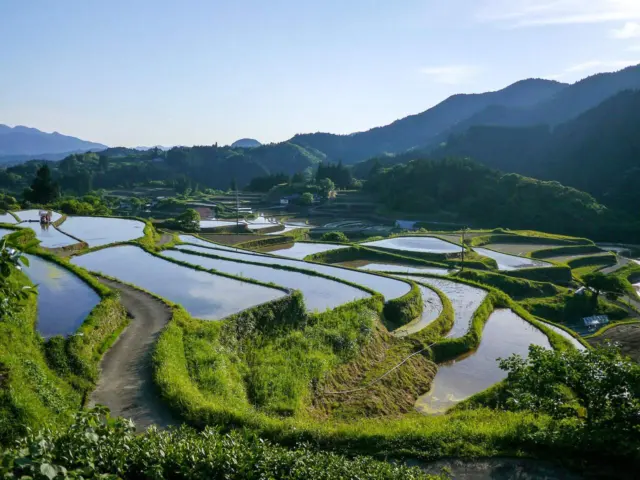
Rural life in Japan is shaped by a shrinking population. Villages lose young people to cities, schools merge, and shops close. The result is a calm setting, but one where services thin out year by year.
A typical day often starts early. Many rural residents garden, farm a small plot or work locally, and the pace follows the seasons rather than a commuter timetable. Evenings are quiet, and the night sky is dark in a way city dwellers rarely see.
The housing numbers show the scale of change. Government figures showed that the number of empty houses, known as akiya, as of October 2023 was up by more than half a million since the previous survey in 2018. The same report says the count topped nine million.
For you, that means cheap-looking houses are plentiful, but not all are usable or for sale. Only 330,000 of the nine million were on the market, according to that report.
Getting around without a city rail network
Outside big cities, a car is usually the practical choice. Buses run rarely, and some places have none at all. Plan on a licence and a vehicle if you want independence.
Transport is under strain. The number of bus drivers decreased by about 19,000 between fiscal years 2016 and 2023, according to the transport ministry, as reported by the Asia News Network. The ministry has designated fiscal years 2025 to 2027 as a period for concerted efforts on the problem.
Some towns respond with community-run or on-demand services. These help, but timetables are limited, so errands are planned around them.
- Check how far the nearest supermarket, clinic and station are before you commit to a house.
- Ask neighbours what happens in winter if roads are snowed in.
- Think about how you will manage if you can no longer drive.
Shopping, food and healthcare
Groceries are usually bought at a local supermarket or a farm shop, and many people stock up in one trip because the drive is long. Fresh vegetables are often cheap and seasonal, and neighbours may pass on surplus produce.
Healthcare needs more thought. Small clinics are common, but specialists and hospitals with full services may be a long drive away. If you have a long-term condition, ask where your regular care would happen before you settle.
Deliveries and online shopping help, though remote areas may see slower service. Keep a modest stock of essentials, especially in snowy regions or typhoon season.
Community life and local customs
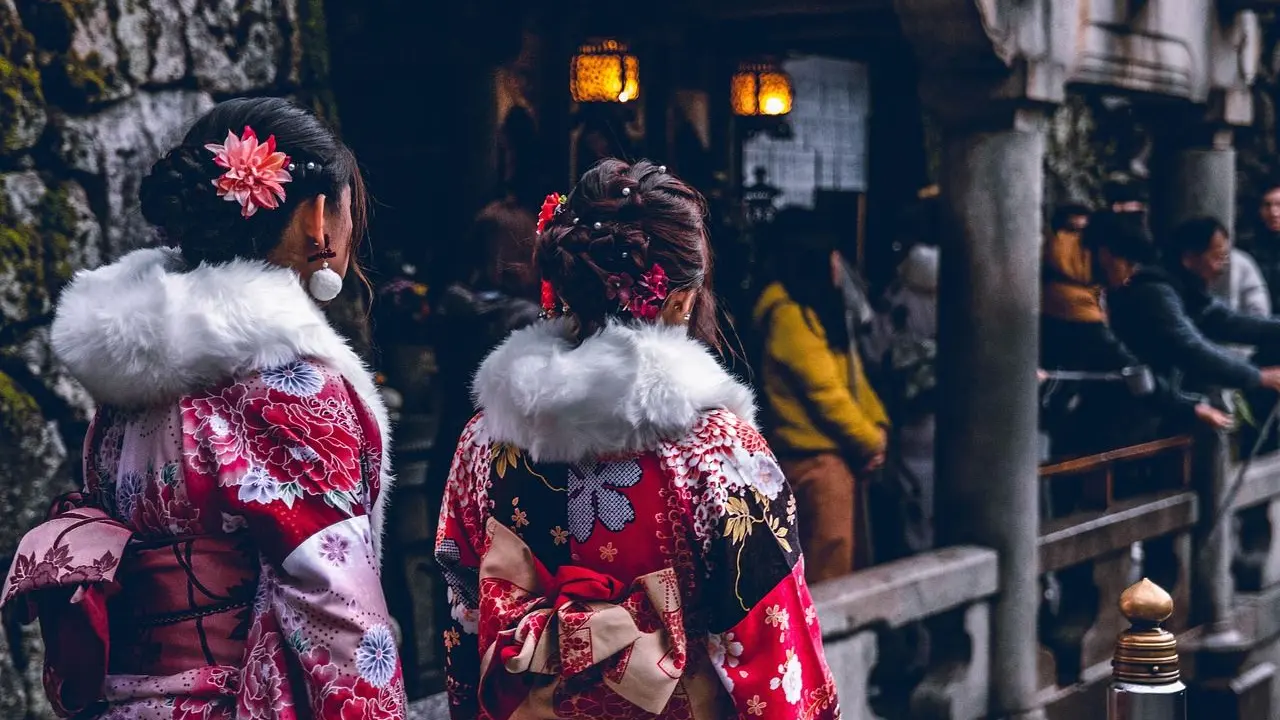
Rural neighbourhoods run on shared duties. Residents often take turns on tasks such as clearing ditches, tidying shared spaces and helping with local festivals. Taking part is how newcomers are noticed and trusted.
Greeting people, joining the first few events and being open about your plans go a long way. A calm, steady presence matters more than language perfection, though basic Japanese helps greatly.
Privacy works differently too. News travels fast in a small place, so expect people to know who you are quickly.
Homes, climate and building safety
Old rural houses can be large and charming, but they may be cold in winter, damp in summer and in need of repair. Budget for an inspection before buying. Ask about the roof, foundations, drainage and heating.
Japan is also earthquake country. If you are choosing between homes, read about the earthquake resistant house japan topic so you know what to ask a builder or inspector.
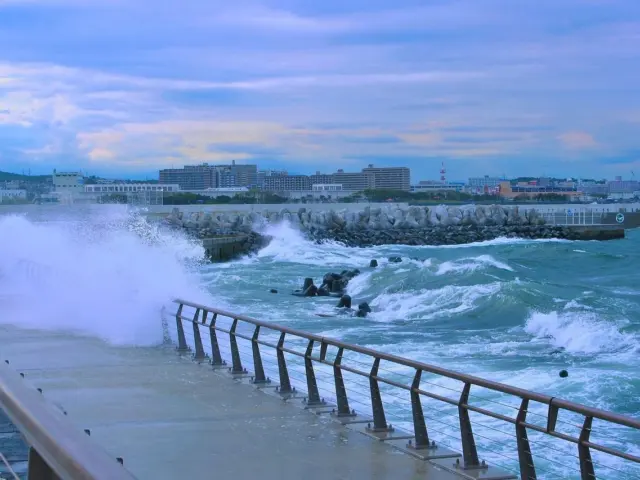
Natural hazards vary by place: snow in the north, typhoons and heavy rain elsewhere. Look at local hazard maps from the municipal office.
Utilities also differ from city norms. Water may come from a well, heating may rely on kerosene or firewood, and waste is sorted under local rules. Ask the municipal office for the local collection calendar and rules.
Work, income and the pace of life
Jobs in the countryside are fewer and often tied to farming, forestry, small manufacturing, care work or local tourism. Remote work is possible where internet is reliable, so test the connection in person rather than trusting a listing.
Count housing, food, fuel, car upkeep and heating costs honestly when you compare a village with a town.
The pace is slower, which many people love. Others find the quiet lonely in the first winter, so build routines early: a weekly market, a class, a volunteer group or a regular chat with a neighbour.
- Test mobile signal and internet speed on site before you sign anything.
- Price out heating and fuel for a full winter.
- Look for local groups, such as fire brigades, festival committees or hobby clubs.
Common surprises for newcomers
Newcomers often underestimate the work a property needs. A garden can turn wild within a season, and wooden buildings need regular care against damp and insects. Hiring local help is common, and it is also a way to meet people.
Wildlife is another surprise. Monkeys, boars, deer and bears can affect gardens and, in some regions, daily safety. Ask neighbours what to expect and how they protect crops.
Finally, remember that patience is part of the cost. Paperwork, repairs and trust all move slowly, and rushing rarely helps.
Practical steps before you move
Staying legally comes first. Your right to live in Japan depends on your status, so read about japan long term visa options before planning a purchase.
- Visit the area in different seasons, including winter.
- Meet the municipal office and ask what support exists for newcomers.
- Rent first for a while before you buy.
- Arrange a car, insurance and a plan for healthcare access.
- Learn enough Japanese for daily errands and neighbour talk.
This site is independent and educational. It does not offer services or take enquiries, so verify details with official local sources.
Frequently asked questions
Do I need a car for living in rural Japan?
Show answer
In most rural areas, yes. Public transport is limited and under pressure from driver shortages, as the transport ministry’s own figures on bus drivers suggest.
Are empty houses easy to buy?
Show answer
Not always. Over nine million were empty in October 2023, but only 330,000 were up for sale, so many owners are not selling.
Will I fit in with the neighbours?
Show answer
Join local duties, greet people and stay patient.
Should I rent before buying?
Show answer
Renting first lets you test winters, commutes and community life at lower risk.