Wondering whether a vegetable garden off grid can really feed you in Japan? It can cover much of your vegetables, but full self-sufficiency takes far more land and labour. Start small and expand.
This guide is part of our wider look at off-grid living in japan, and it focuses on the food side.
| Item | Value |
|---|---|
| Growing space to sustain one person on a vegetarian diet for a year (Ecology Action research) | 4000 square feet (about 370 square metres) |
| Extra space for paths and storage | About 4000 square feet (370 square metres) |
| Potato harvest needed per person | 75-200 lbs (34-91 kg) |
| Rainy season, most of Japan | Beginning of June to mid July |
| Average rainy season, Okinawa | May 8 to June 23 |
Figures come from GrowVeg and japan-guide.com (which cites the Japan Meteorological Agency). They are averages and can change, so check the sources before you rely on them.
How much can a garden realistically supply?
Be honest about the goal first. Growing some of your vegetables is easy; growing all of your calories is a second job. Research by John Jeavons and Ecology Action found that 4000 square feet (about 370 square metres) of growing space was enough to sustain one person on a vegetarian diet for a year, with about another 4000 square feet for access paths and storage, according to GrowVeg.
The same guide notes that tending that much ground, particularly at the height of the growing season, takes many hours a week. That is worth weighing against everything else an off-grid household has to maintain.
A sensible path looks like this:
- Begin with a few beds of crops you already eat every week.
- Track what you actually harvest and what goes to waste.
- Add calorie crops such as potatoes, beans and winter squash only once the basics work.
- Keep paying attention to what you still buy, and budget for it; our page on off grid living cost shows where food fits among other expenses.
Plan from what you eat
The most useful planning tool is a list. Write down what you eat in a normal week and multiply it out. GrowVeg gives a simple example: eating 5 lbs (about 2 kg) of potatoes a week is 20 lbs a month and 240 lbs (109 kg) a year, per its planning guide.
For potatoes, the guide suggests a harvest of 75-200 lbs (34-91 kg) per person, with yields of 10-20 lbs (4.5-9 kg) per 10 foot (3 m) row. It adds that yield varies with season length, soil, watering and variety, so treat every figure as a starting estimate.
If you want calorie-dense crops, the guide’s own shortlist is:
- potatoes
- corn
- beans
- winter squash
- perhaps grains such as wheat
Work with Japan’s rainy season
Japan’s weather shapes your calendar more than any seed catalogue. In most of the country the rainy season lasts from the beginning of June to mid July, while Okinawa gets it about a month earlier, according to japan-guide.com. Hokkaido and the Ogasawara Islands are less affected.
The same page lists Japan Meteorological Agency averages: Okinawa May 8 to June 23, Southern Kyushu May 29 to July 13, and Shikoku June 4 to July 17.
What that means in the garden:
- Drainage matters most. Raised beds or ridged rows keep roots out of standing water.
- Wet, warm weeks invite fungal disease, so give plants space and airflow.
- Plan harvests of onions, garlic and potatoes for dry spells so they store well.
- Compare the dates for your region with your local weather office before you set a sowing schedule.
Succession and seasonal varieties
Staggering crops is how a small plot keeps producing. GrowVeg points out that many crops come in seasonal varieties, including peas, beans, apples, onions and corn, and that you could choose three potato varieties: first early, second early and maincrop.
It also suggests following an early potato harvest in June with a quick crop such as beets. That kind of back-to-back planting suits a climate with a long warm season, though you should adjust the timing to your own region.
A few habits help in any bed:
- Sow small batches every few weeks rather than one large planting.
- Replant a bed as soon as it empties.
- Rotate crop families so pests and disease do not build up.
- Keep notes on dates, varieties and results year to year.
Water, soil and the rest of the off-grid system
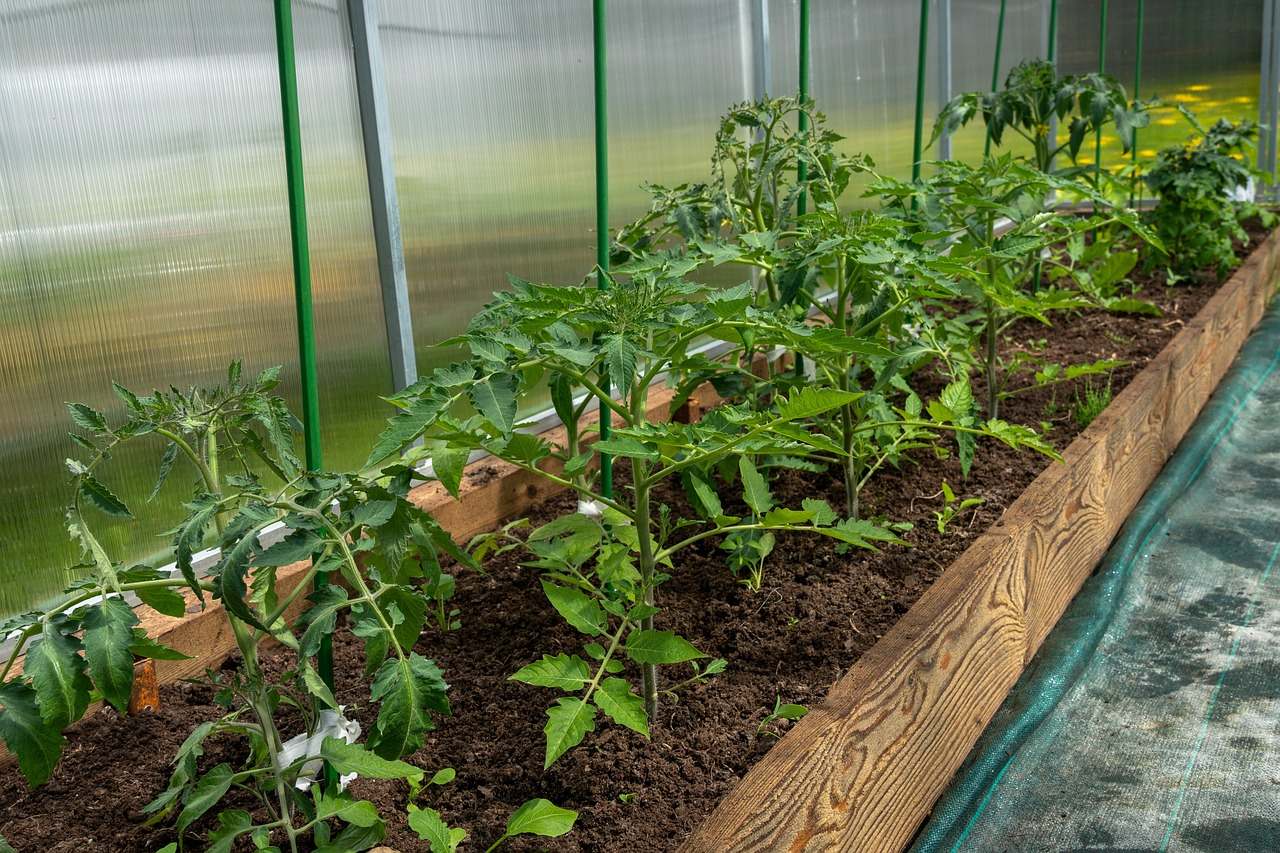
Without mains water, irrigation has to be planned like any other utility. Rainwater tanks, mulch and drip lines reduce how much you carry or pump, and healthy compost-rich soil holds moisture longer. Rainy-season runoff is a free supply worth capturing before the drier months.
Garden planning also ties into other systems. A cold frame or greenhouse can extend the season, and a tidy tool shed saves hours. If you plan to research varieties or watch weather alerts from the property, look at off grid internet options so you know what connectivity is realistic.
Compost closes the loop: kitchen scraps, crop residue and leaves become next season’s fertility, which cuts what you need to buy in.
Finally, preserve what you grow. Drying, pickling, fermenting and root-cellar storage turn a summer glut into winter food, and they are what separate a garden hobby from real food security.
A simple first-year approach
Treat the first year as an experiment rather than a harvest target. Observe where water pools after heavy rain, where the sun lands in each season, and which corners stay damp. Those observations decide where beds go.
Choose a handful of reliable, forgiving crops, such as the potatoes, beans and onions mentioned above, and grow them well. Record sowing dates, harvest dates and quantities in a notebook. After one full cycle you will have local data that no general guide can supply, and you can scale the plot with confidence.
Common mistakes to avoid
Most failed first-year gardens share the same few problems. Knowing them in advance saves a season.
- Planting too much at once. A large plot that you cannot weed or water becomes a jungle by midsummer. Grow only what you can look after.
- Ignoring local conditions. Slope, shade, wind and soil type vary across a single property, so watch the land through a full year before you commit.
- Skipping pest planning. Deer, boar, monkeys and birds can strip a crop in a night in rural areas, so ask neighbours what they fence against and how.
- Forgetting storage. A harvest you cannot keep or eat is wasted effort.
- Expecting self-sufficiency immediately. Soil improves slowly, and your skills improve with each season.
Local farmers are the best teachers you have. Their timing, variety choices and pest tricks have been tested on the very soil you are about to work, and many are glad to share them with a curious newcomer.
Frequently asked questions
How big should a vegetable garden off grid be?
Show answer
For one person eating a vegetarian diet for a year, Ecology Action research cited by GrowVeg found about 4000 square feet of growing space, plus about as much again for paths and storage. A much smaller plot can still supply many of your vegetables.
Can I grow all my own food in Japan?
Show answer
Rarely on a small plot. Tending 4000 square feet of growing space takes many hours a week, particularly at the height of the growing season.
When is the rainy season?
Show answer
In most of Japan it runs from the beginning of June to mid July, and about a month earlier in Okinawa, per japan-guide.com. Check your region’s dates before sowing.
Which crops should I start with?
Show answer
Start with vegetables you already eat weekly. When you add calorie crops, GrowVeg’s list includes potatoes, corn, beans and winter squash.