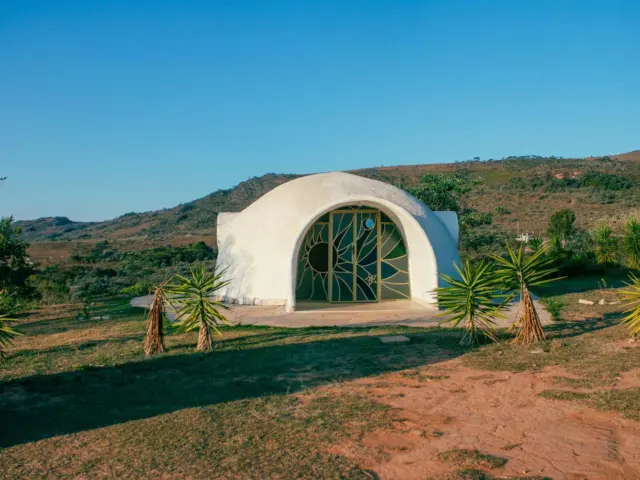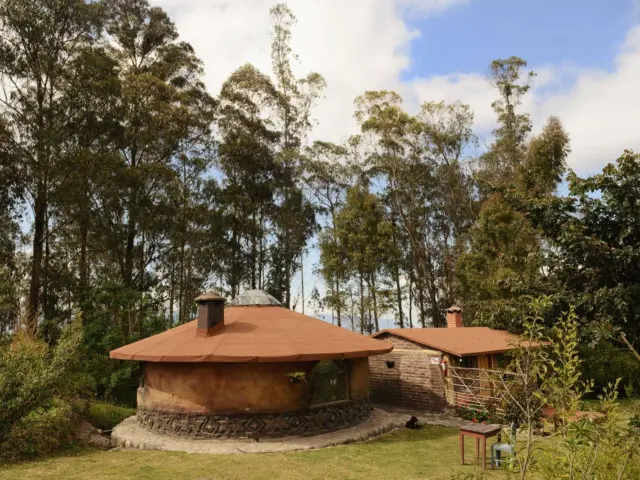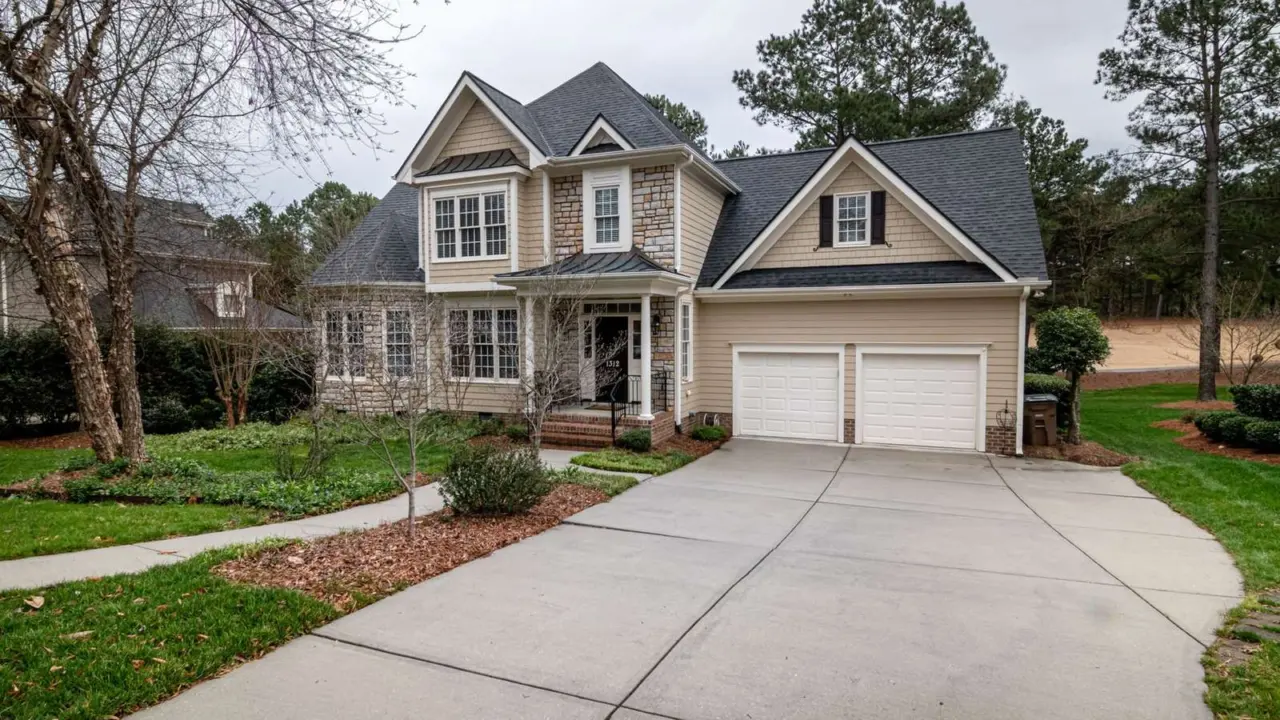
Wondering about earthship vs traditional home before you commit? An earthship trades a standard build’s simplicity for self-supplied energy and water, but it brings harder permits and a more demanding build.
This comparison is part of our wider guide to earthship building.
| Item | Value |
|---|---|
| First earthship built | 1970s, by architect Michael Reynolds |
| Places where a permit could be obtained (March 2025 article) | New Mexico, Pennsylvania, Wyoming, Nevada, Colorado, Florida and Virginia |
| Used tires stockpiled in the United States | At least 2.5 billion |
| Virginia green development zone law | Passed in 2017 |
| Heating and cooling claim | Comfortable temperatures all year with no fossil fuels |
Figures come from a March 2025 Richmond Journal of Law and Technology article and the Earthship Biotecture systems page, a design promoter’s own claims. They can change, so check the sources before you rely on them.
Earthship vs traditional home at a glance
A conventional house is built to be plugged into services: grid power, mains water and a sewer. An earthship is designed the other way round, to produce energy, water and food for its own use, according to the Earthship Biotecture site.
That single difference drives almost everything else you will compare:
- Services: a standard home connects to utilities, while an earthship uses rain and snow-melt catchment, solar power with batteries.
- Materials: standard homes use timber, concrete or masonry; earthships use natural and upcycled materials, notably packed-earth tires.
- Heating and cooling: a standard home normally relies on a heating system, while an earthship aims to use the sun and thermal mass alone.
- Rules: a standard home fits existing codes, whereas an earthship often needs special handling.
If you are new to the design, start with our explainer on what is an earthship.
Materials and construction
The earthship idea began in the 1970s, when New Mexico architect Michael Reynolds set out to tackle rubbish accumulation and affordable housing, as the Richmond journal article describes. The result was a house built partly from waste, such as used tires, which the Earthship Biotecture site says are stockpiled in the United States at a level of at least 2.5 billion.
Those tires are rammed with earth to form heavy walls. A timber-frame house is far lighter and quicker to put up.
Earthship walls are labour-heavy, which is why owner-builders and volunteers feature so often in stories about them. If you have little building experience, a conventional contractor is usually the lower-risk route.
Energy, water and comfort
An earthship is described as a passive solar house. The Earthship Biotecture site says it can keep temperatures comfortable all year with no fossil fuels, using only the sun for heating and cooling.
It also catches water from rain and snow melt.
A conventional house can match some of this with solar panels, insulation and a rain tank, but it does not usually integrate every system. Treat the all-year comfort claim as a design goal from the promoter, not a guarantee for every site. Results depend on climate, and our page on earthship in cold climates looks at that question.
Permits, codes and water law
This is where the comparison often tips. A March 2025 Richmond Journal of Law and Technology article said a permit could be obtained in New Mexico, Pennsylvania, Wyoming, Nevada, Colorado, Florida and Virginia. It added that doing so still means navigating a tricky legal landscape.
Virginia shows how local the rules are. The state passed green development zone legislation in 2017 so localities could allow regulatory flexibility.
A standard house rarely faces this problem, because codes are written around it. If you are thinking of building in Japan, do not assume any US rule carries over: check national and local building rules before you plan anything.
Living with each house day to day
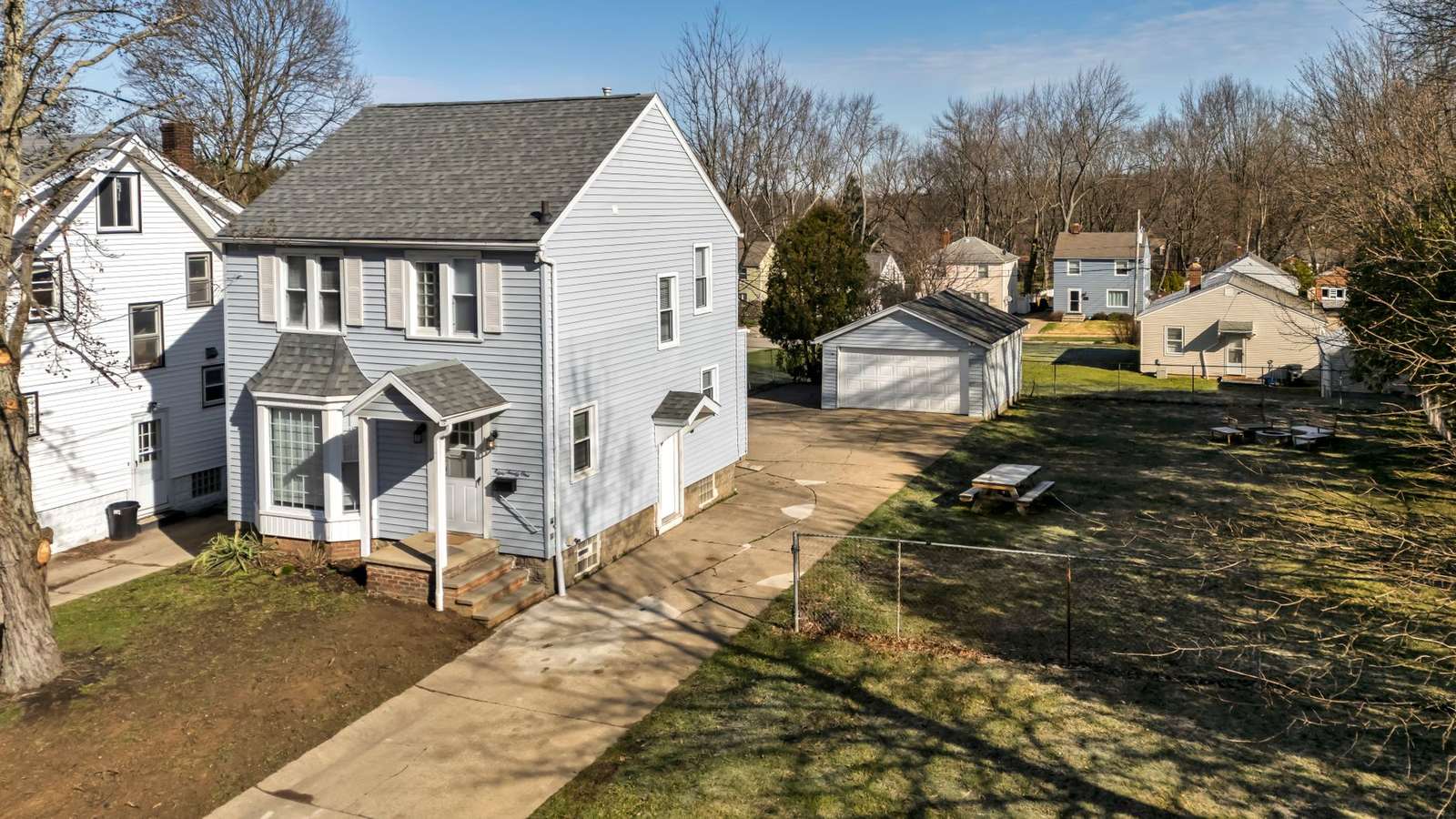
Daily life differs as much as the build. In a conventional house you pay utility bills and call a plumber or electrician when something fails. The systems are standard, parts are easy to find and most tradespeople understand them.
In an earthship, you become the operator of a small utility. Batteries need monitoring. For some people that is the whole appeal; for others it is a chore they never wanted.
- Resale: a standard house has a clear market, while an unusual earthship may suit fewer buyers and fewer lenders.
- Insurance and finance: unconventional construction can need extra explanation, so ask providers early.
- Repairs: standard parts are easy to replace; custom systems may need specialist knowledge.
- Climate fit: the same design may feel different in humid, cold or hot places, so look at local weather before you copy a desert example.
These points are general considerations rather than measured findings from the sources above. Check each against your own location and your own lenders.
Questions to ask before you decide
Before you lean toward either option, work through a short list. Each answer narrows the choice more than any general comparison can.
- Does the local authority accept unconventional construction, and what documents will it want?
- Is rain or snow-melt catchment legal where you plan to build, and for which uses?
- How much of the work can you do yourself, and how many months can you spend on it?
- Will a lender or insurer deal with an unusual house?
- Would you be happy running your own water and power systems for years?
The Richmond article quotes a green-building expert who said the future lies “not necessarily tires in walls”, but in the other principles the design teaches. That is a useful reminder that you can borrow ideas without copying the whole building.
Which is right for you?
Choose by your priorities rather than by the novelty of the design:
- If you want predictable cost, financing and permits, a conventional house is the safer choice.
- If you want a self-sufficient home and can handle a long build and extra approvals, an earthship may suit you.
- If you only like some of the ideas, a conventional house with passive solar design, solar power and rainwater use captures part of the benefit.
Ask local builders for cost quotes.
Frequently asked questions
Is an earthship cheaper than a traditional home?
Show answer
Get local quotes to compare costs. Owner labour can lower cash cost but takes a great deal of time.
Can you get a permit for an earthship?
Show answer
In some places, yes. A March 2025 journal article listed seven US states where a permit could be obtained, but called the legal landscape tricky. Rules differ by locality.
Do earthships really need no heating?
Show answer
The Earthship Biotecture site says they keep comfortable temperatures all year with no fossil fuels. That is the promoter’s claim, and performance varies with climate and build quality.
Are earthships made of garbage?
Show answer
Partly. They use upcycled materials such as used tires, together with natural materials like earth.