Wondering what happens to shower and sink water in a home that runs off the grid? An earthship greywater system filters it through indoor planters, then reuses it to flush toilets.
This guide is part of our coverage of earthship building, and it focuses on the water loop.
| Item | Value |
|---|---|
| Main use of treated greywater | Flushing toilets |
| Botanical cell depth | 30-60 in (760-1,520 mm) |
| Cell lining | Rubber-lined |
| Final filter before storage | Peat moss filter |
| Code claim by Earthship Biotecture | Meets all International Building Codes |
The figures come from Wikipedia’s Earthship article and Earthship Biotecture’s waste water page. They can change, so check the source before you rely on them.
What greywater means in an Earthship
Greywater is used household water that is not toilet waste. In an Earthship it comes from sinks, showers and similar fixtures, and the design treats it on site instead of sending it away.
According to Wikipedia, greywater is used within the Earthship primarily for flushing toilets. The same page says the toilets are flushed with water that has been used at least once already.
That makes the water do more than one job before it leaves the building. It is one of several linked systems, alongside rainwater catchment, thermal mass and solar power.
How the treatment path works
The path follows a clear order, and each stage removes something different. Wikipedia describes the sequence like this:
- Water passes through a grease and particle filter, which also digests some solids.
- It flows into a rubber-lined botanical cell, described as a miniature living machine inside the home.
- In the cell, bacteria and plants oxygenate and filter the water to reduce its nutrient load.
- Water from the low end of the cell goes through a peat moss filter and is collected in a reservoir or well.
- The reclaimed water passes through a greywater board and flushes conventional toilets.
The first filter matters more than it looks. Grease and fine particles that reach the planter can clog the gravel and shorten its working life.
The botanical cell up close
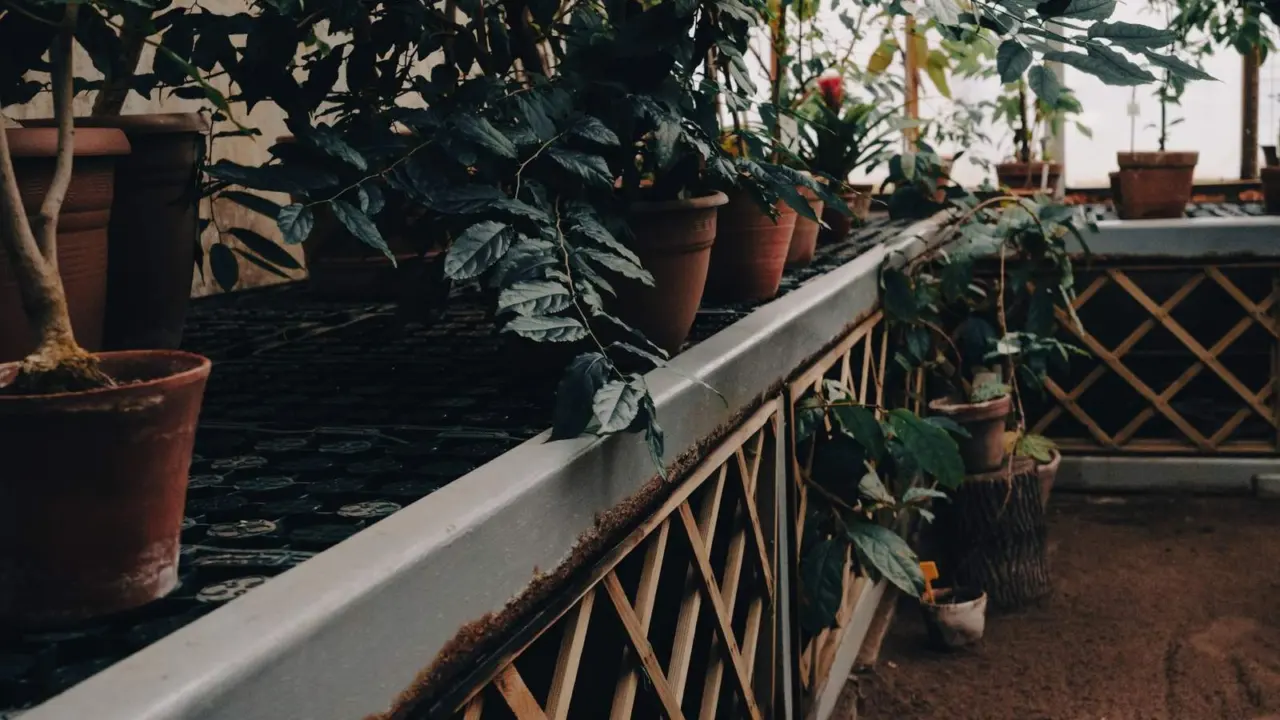
A botanical cell is a lined planter bed, usually built along the front glass of the building where plants get light. Wikipedia gives its depth as 30-60 in (760-1,520 mm), with a rubber liner holding the water in.
Earthship Biotecture says the loops have the botanical treatment cells within them. It describes the aim as treating and cleaning greywater so toilets can be flushed with water that is clean and clear.
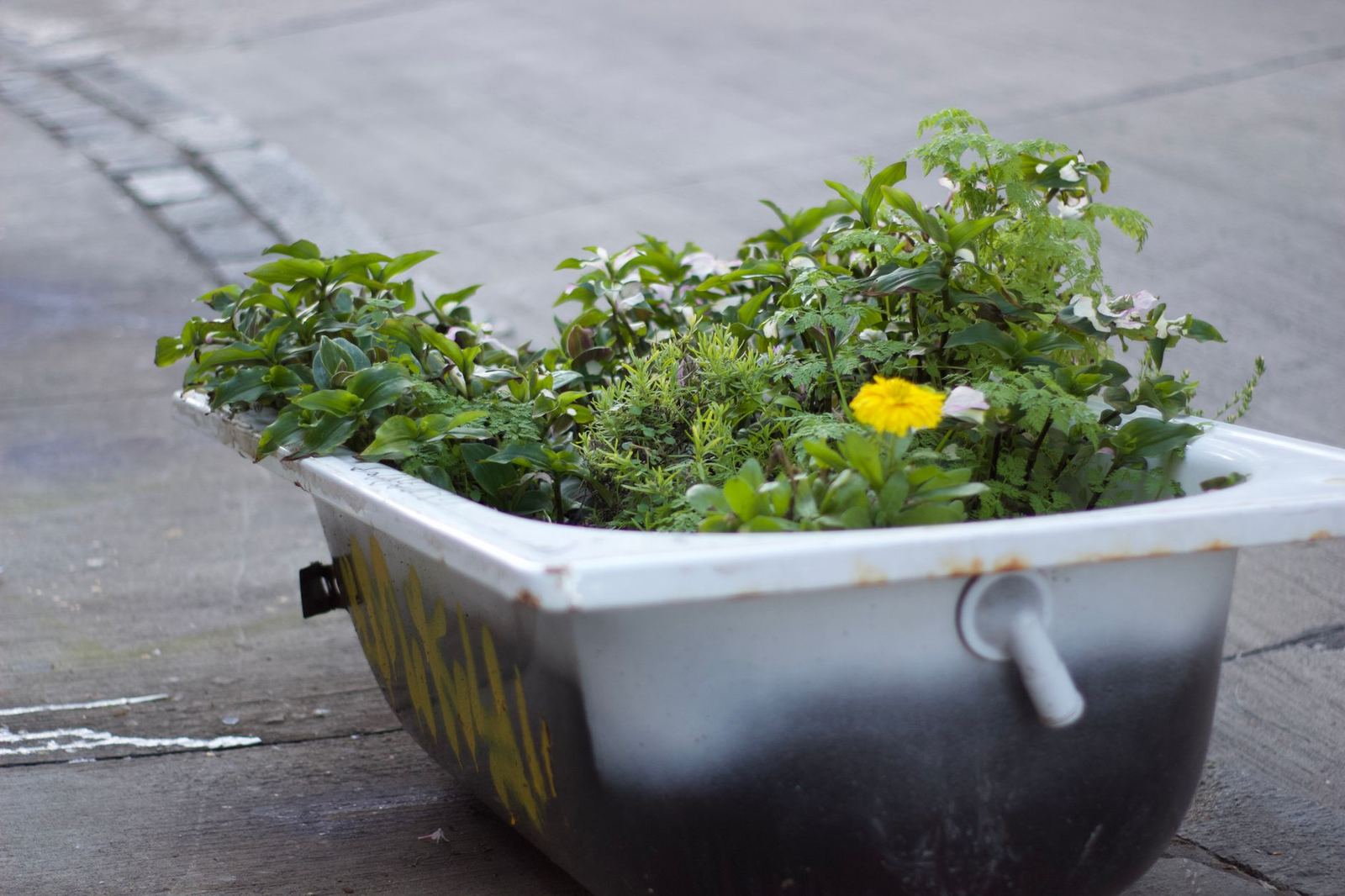
The cell sits indoors. Roots and the bacteria around them do the cleaning work, while the liner keeps untreated water away from the soil under the floor.
Plants, food and the water table
Earthship Biotecture states that liquid waste water planters provide for prolific food production. That claim comes from the builder itself, so treat it as the designer’s own description and not an independent test result.
Practical points when choosing plants for a cell:
- Avoid plants that need dry soil or strong fertiliser regimes.
- Keep harsh cleaners, bleach and heavy salts out of the drains, because they stress the plants and bacteria.
- Decide early whether the plants are ornamental or edible, and check local health rules for the second option.
Ornamental plants are the safer choice for a first build. Edible crops grown in treated greywater deserve extra caution and local advice.
Codes, permits and building in Japan
Earthship Biotecture says the system it outlines meets all International Building Codes. That is a statement from the company’s own page, and it does not mean a local authority will accept the design where you live.
Rules for reusing greywater differ by country, region and municipality. In Japan you would need to ask the local building and sewerage offices what is allowed for a home that treats its own wastewater, and whether a standard septic or sewer connection is still required.
The same caution applies to blackwater, which is toilet waste. Earthships use anaerobic digestion in their septic tanks, according to Wikipedia.
Water systems also affect the budget, so read the earthship cost to build guide before you fix a plan. The tire walls that surround the cell are covered in rammed earth tire wall construction.
Questions to ask before you plan one
A greywater loop touches plumbing, structure and daily habits, so it pays to settle a few questions early. Answering them on paper is cheaper than correcting them after the floor is poured.
- Where will the planter sit, and does that spot get enough daylight for the plants you want?
- How will water move from the fixtures to the cell, and can gravity do most of the work?
- What happens to overflow when the cell is full or the household is away for a long time?
- Can the loop be bypassed to the regular drain if a part fails or an inspector asks for it?
- Who will look after the plants and filters when the owners travel?
Climate matters too. A cell inside a well-lit, thermally stable room behaves differently from one in a cold, shaded corner, and Japan’s humid summers and snowy regions each bring their own pressures on a planter.
Household habits shape the result as much as the hardware. Gentle, plant-friendly soaps and a habit of scraping grease into the bin rather than down the sink keep the cell healthier for longer.
Maintenance and honest limits
A living system needs looking after. Watch for slow drainage, odours or yellowing plants, which can signal clogged filters or overloaded cells.
- Clean the grease and particle filter on a regular schedule.
- Prune and replace plants that fail.
- Check that the pump or valves that lift water back to the toilets still work.
- Keep records of any problems so a local inspector can see how the system performs.
Treat the descriptions here as an overview of the design idea, not as engineering advice, and have a qualified local professional review any real plan.
This site is independent and educational. It is not affiliated with any company named here and does not offer design services or consulting.
Frequently asked questions
What is an earthship greywater system?
Show answer
It is a treatment loop that filters sink and shower water through a grease filter, a lined planter called a botanical cell and a peat moss filter, then reuses it for toilet flushing.
Can the treated water be used for anything besides toilets?
Show answer
Wikipedia says greywater is used primarily for flushing toilets. Other uses depend on local rules and on how well the system performs, so check with your local authority.
Will a local inspector accept the design?
Show answer
That depends on the place. The builder’s code statement is a starting point for a conversation, not a permit, so ask the office that covers your site what evidence it wants.
Can you grow food in the planters?
Show answer
Earthship Biotecture says the planters provide for prolific food production. Treat that as the builder’s claim and seek local health advice before eating the crops.